
We grind, polish and seal concrete benchtops, counters, bars, vanity tops and hearths, and bring tired ones back to life. If your top has been poured and needs finishing properly, or has gone dull, stained or scratched over the years, that's our work.


Let's be clear up front, because it saves everyone time.
We don't pour, cast or mould concrete benchtops. We're a grinding and polishing business, and what we do is the finishing: taking cast concrete and grinding, polishing and sealing it into a surface you'd want in your kitchen.
That means we come in at one of two points. Either your top has just been cast, by your builder, joiner or a precaster, and it needs finishing properly. Or you've had a concrete top for years, it's lost its shine, picked up stains or scratches, and you want it looking right again.
If you're at the earlier stage and still working out who's making your benchtop, talk to us anyway. We'll tell you what makes a top easy or difficult to finish well, which is worth knowing before it's poured.
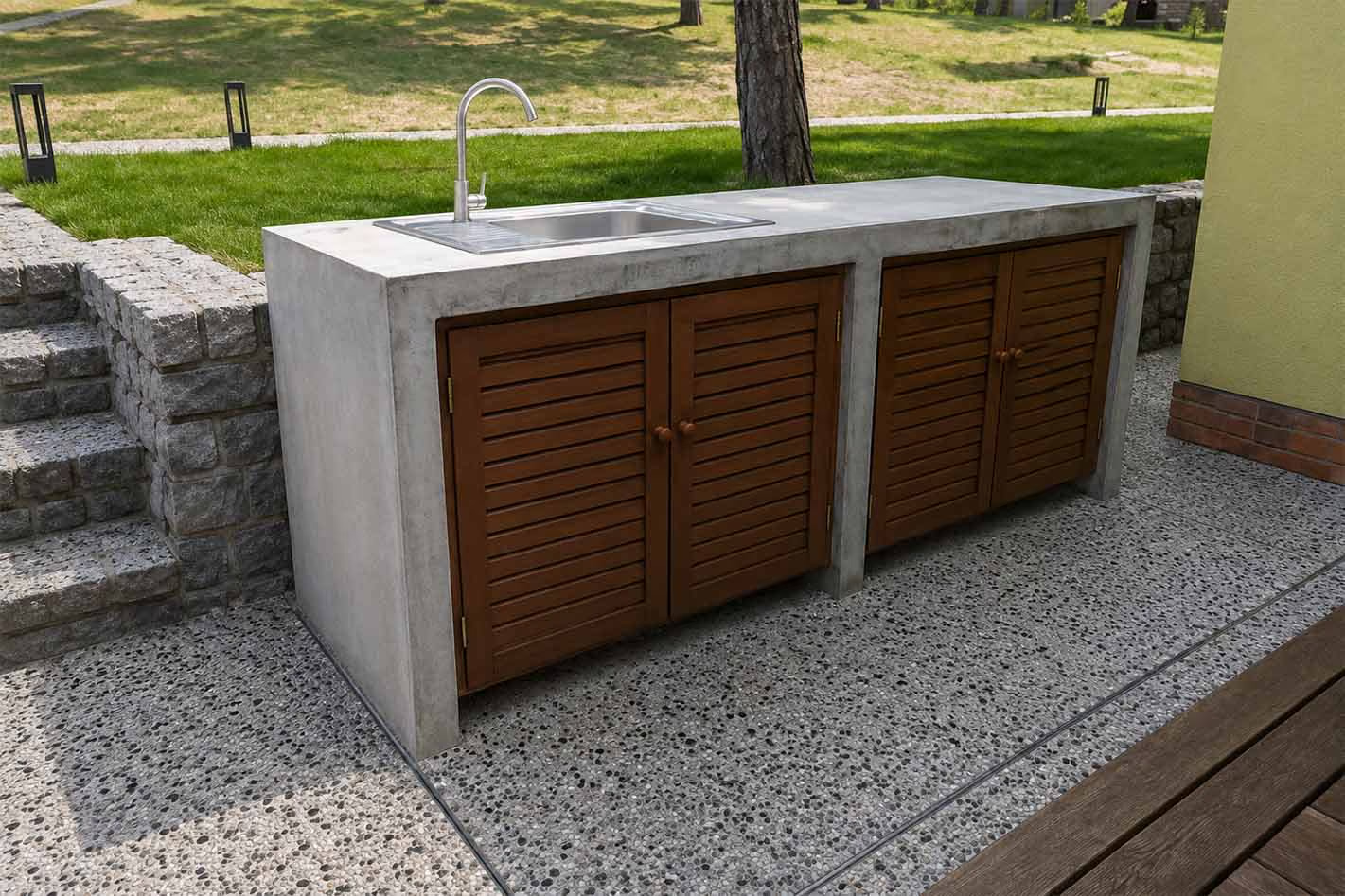
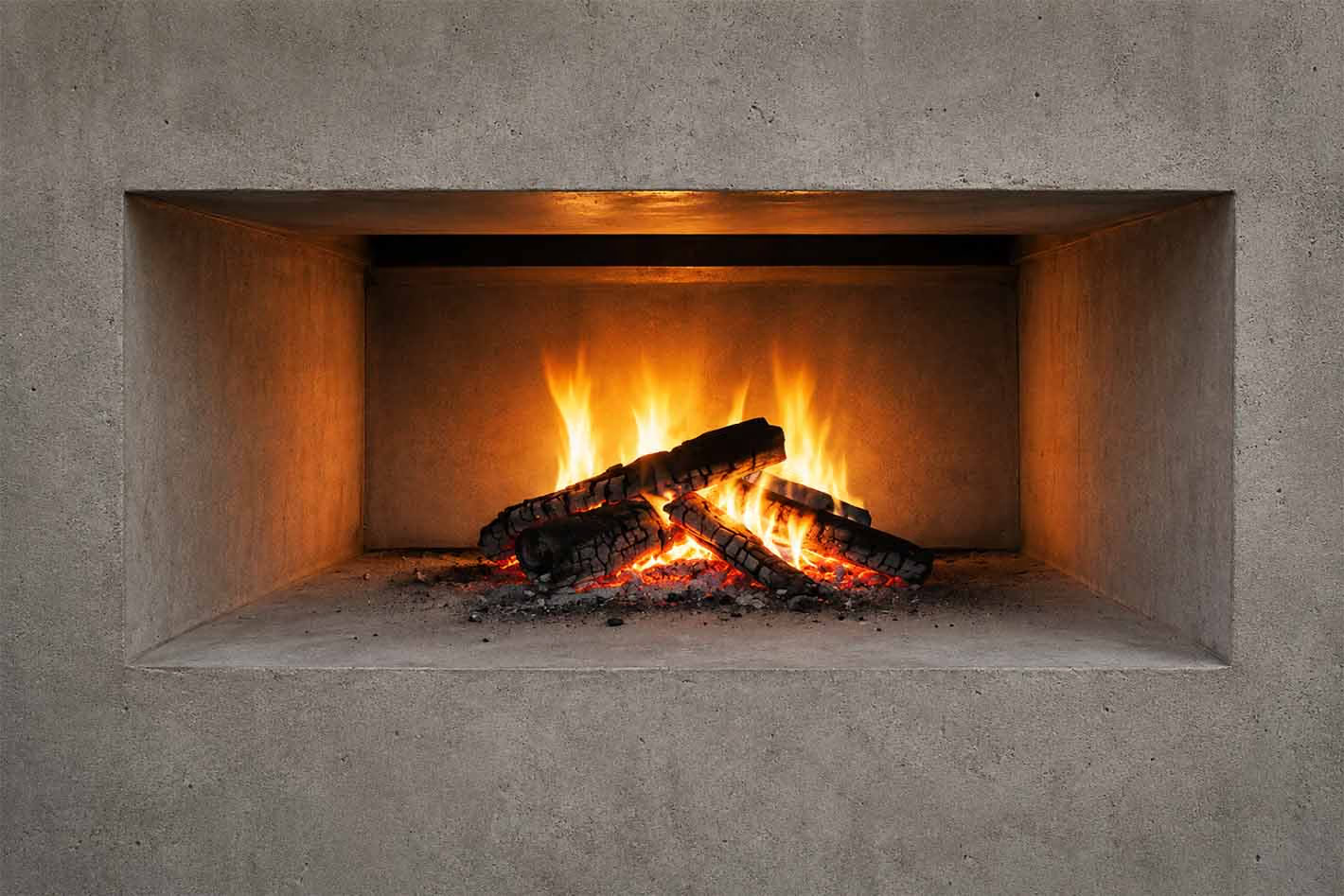
The most common job. New tops finished properly, and older ones brought back.
Basin tops and splashbacks, sealed to handle constant water.
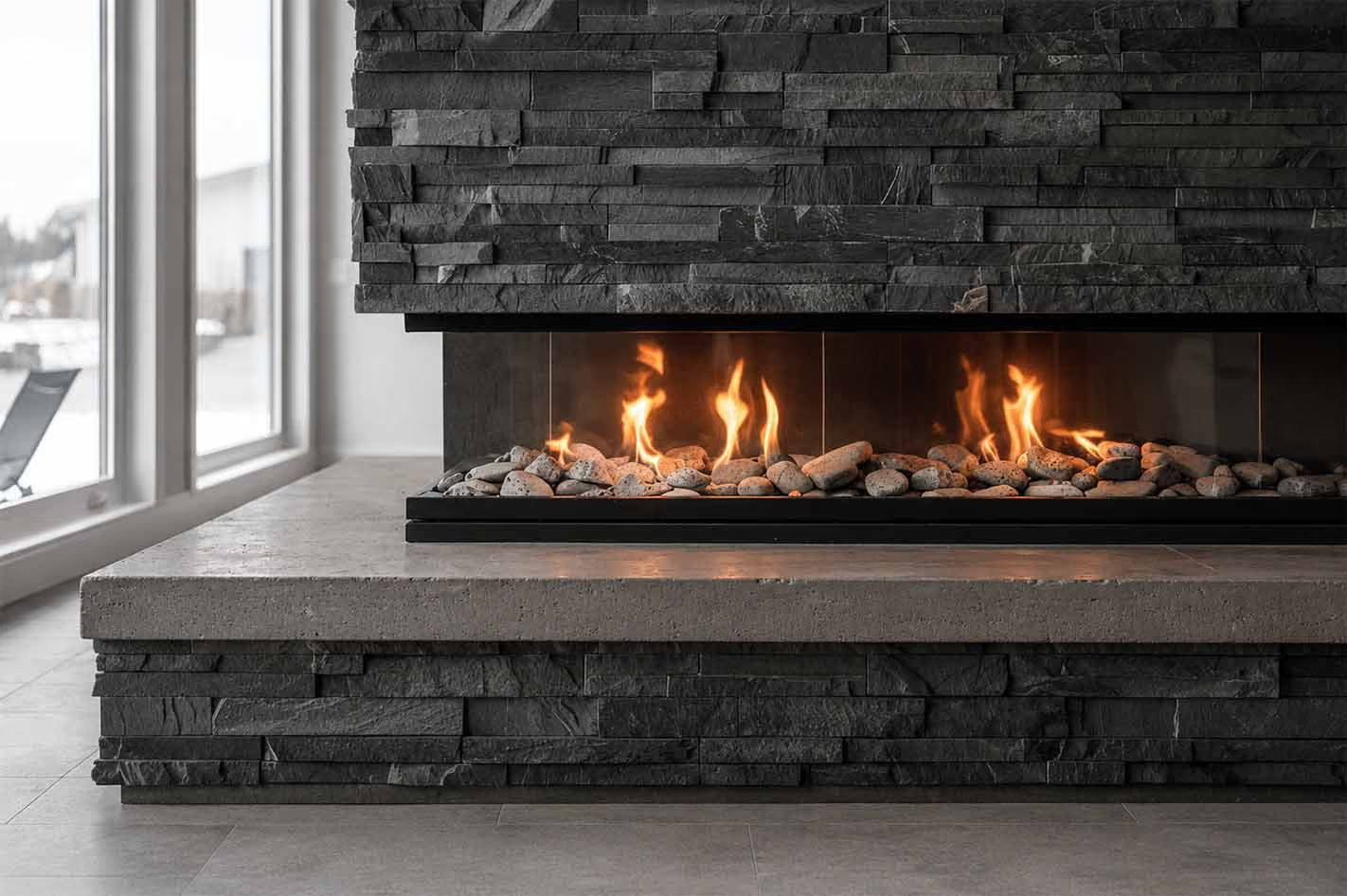
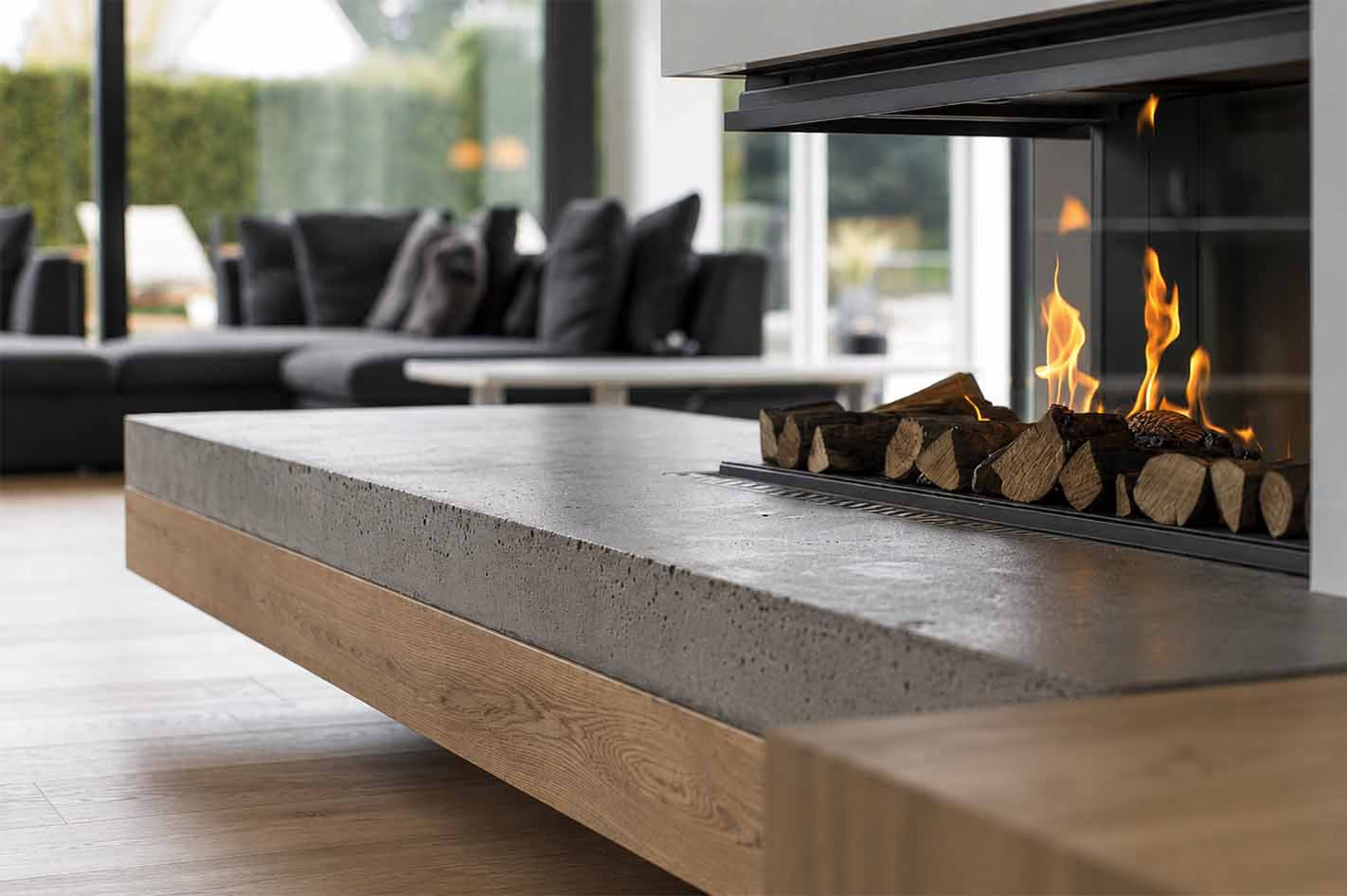
Ground, polished and sealed to suit the fireplace they sit in.
Outdoor tops finished and sealed for weather as well as use.
Dining tables, side tables and built-in seating tops.
Shelves, window sills, plinths, reception counters and whatever else has been cast.
Same principle as our floors. Ground lightly, a benchtop stays smooth and understated. Ground deeper, the stone in the concrete comes through and you get something closer to a natural stone look. This is the single biggest decision in how the finished piece reads.
From a soft matte through to a polished sheen. Matte suits most kitchens and hides day to day marks better. A higher polish looks sharper and reflects more light.
However your top has been cast, the edges need finishing to match the surface. Square, softened or chamfered edges each read differently once they're polished, and we'll finish them to suit the top and the room.
The colour is in the concrete itself, set when it was cast, from pale grey through to charcoal depending on the mix and any oxide used. What grinding does is reveal it. Grinding deeper brings out the stone and changes how light or dark a top reads, sometimes considerably.
Every piece is sealed for the way it will actually be used. A kitchen benchtop needs food safe protection that handles oil, wine and citrus. A hearth needs heat tolerance. A vanity needs to cope with constant water.
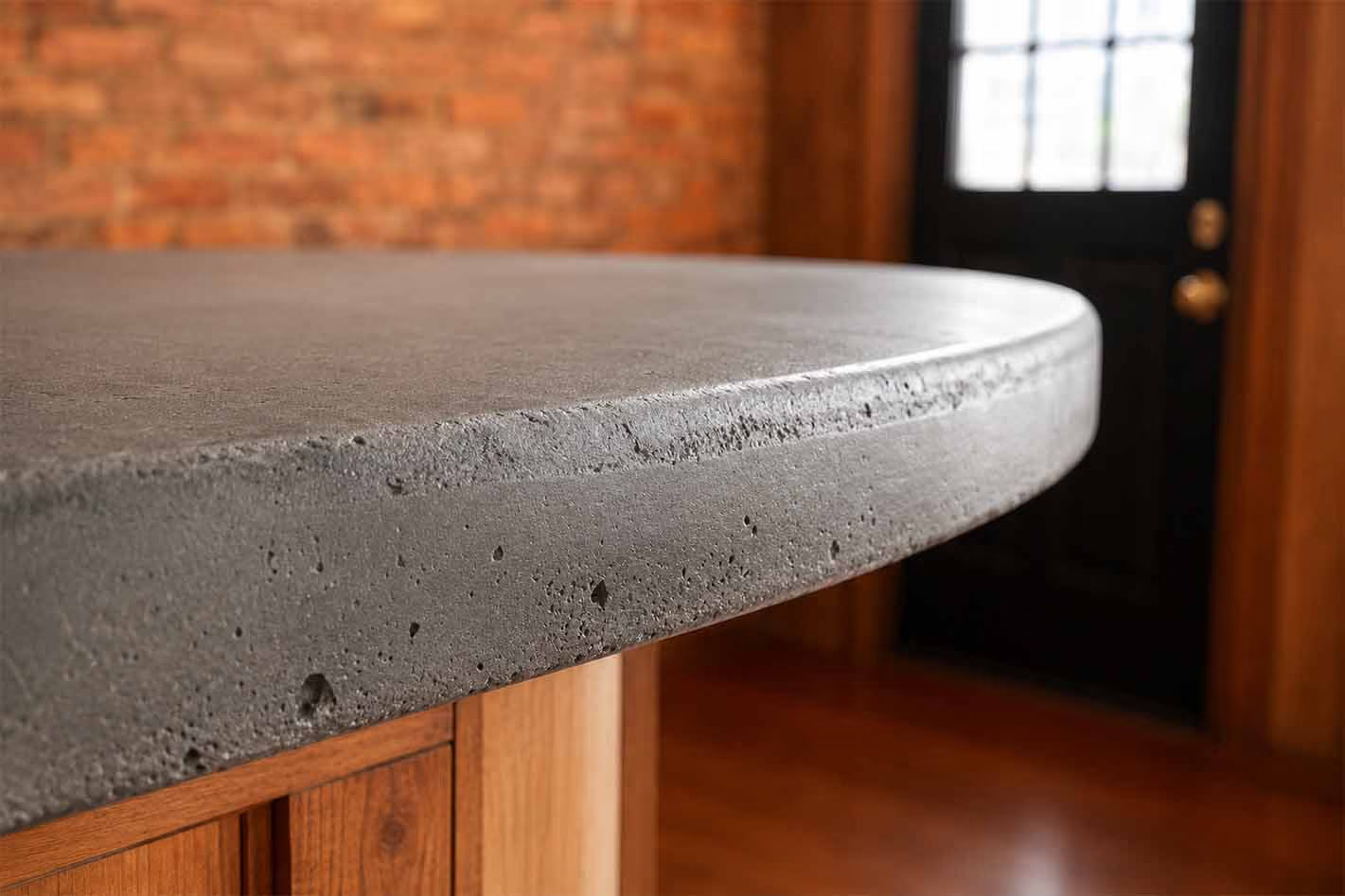
Most concrete benchtops that look tired aren't damaged. They've just lost their sealer.
Sealers on kitchen surfaces work hard. Oil, wine, citrus, heat and daily cleaning all wear them down, and once the protection is gone the concrete underneath starts marking, staining and looking dull. The concrete itself is usually fine.
Restoration means cutting back the surface, dealing with the staining and marking that's there, re-polishing to the finish you want, and sealing it properly again. On most tops the difference is dramatic, and it costs a fraction of replacing a benchtop.
What we can usually deal with: dull, worn surfaces, surface staining and watermarks, light scratching and marking, failed or patchy sealer, and tops that were never finished to a good standard in the first place.
What we'll be honest about: deep staining that has soaked well into the concrete may lighten rather than disappear. Chips and structural damage can be repaired but the repair may be visible. We'll tell you what to expect before we start rather than after.
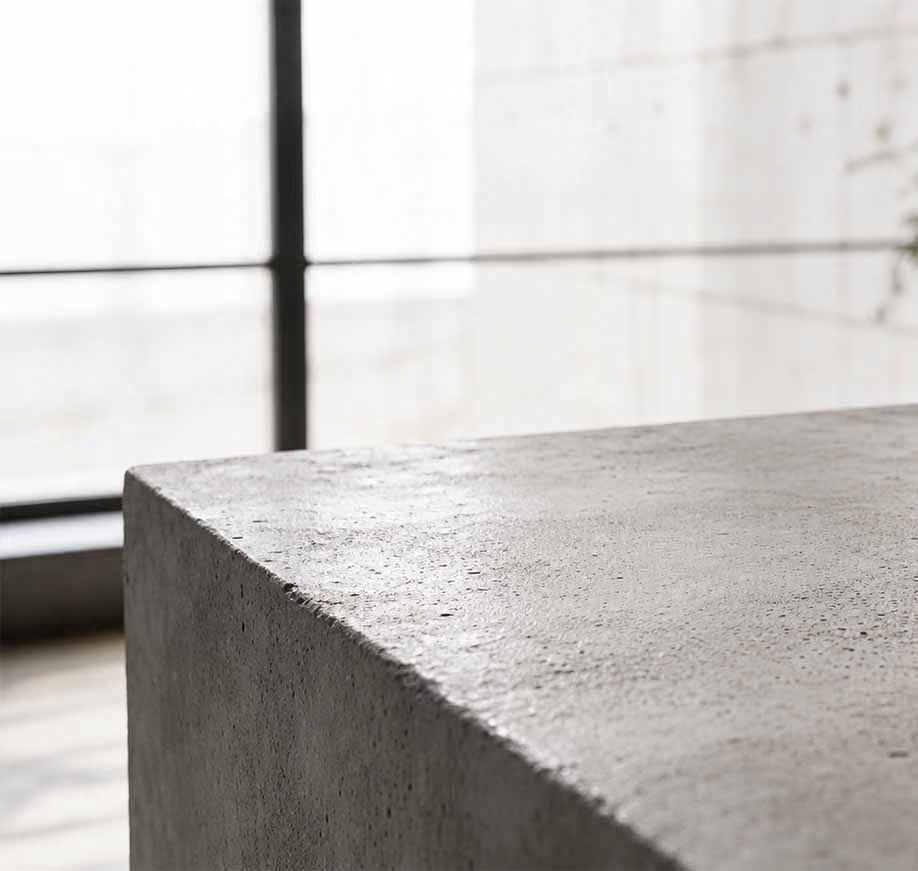
Concrete is the only benchtop material that arrives with its own character rather than a pattern. It has depth and variation in it, and a soft matte quality that engineered stone can't really imitate.
It's also honest about what it is. A concrete benchtop looks like concrete, and it ages like concrete: it develops a patina, it picks up the marks of being used, and most people who choose it consider that the point rather than a problem. If you want a surface that will look identical in ten years, concrete isn't it. If you want one that looks like it belongs to your house, it's hard to beat.
How a top is cast decides its shape and size. How it's finished decides how it looks. The same slab can end up smooth and pale or deeply exposed and full of stone, depending on how far it's ground and what sealer goes on. That part is ours, and it's where most of the character in a finished top comes from.
Four steps, and it starts with a look at what you've got, whether that's a freshly poured top or one that's been in the kitchen for fifteen years.
Plenty of builders and joiners cast concrete tops perfectly well but don't want the grinding and polishing side of it, and fair enough. It's a different trade, it needs different gear, and doing it badly undoes a good pour.
We'll come in after the cast and take it from there. Tell us when the top will be ready and we'll work to your programme.
We're also happy to talk before it's poured. There are things that make a top much easier to finish well, and a five minute conversation at that stage saves everyone trouble later.
No. We're a grinding and polishing business, so we finish and restore concrete tops rather than casting them. If you need one made, your builder, joiner or a precaster will pour it, and we'll take it from there.
Sealed concrete resists staining well, but it isn't bulletproof. Oil, red wine, citrus and strongly coloured foods left sitting can mark it. Wipe spills as you go and you'll have no trouble.
It handles heat far better than most benchtop materials, but use mats for anything extremely hot. Sudden extreme heat isn't good for any sealed surface.
It depends on the size of the top, what condition it's in and the finish you're after. Restoring a tired top is considerably cheaper than replacing it. Send us a photo and we'll give you a straight answer.
Almost always. In most cases the sealer has worn out and the concrete underneath is fine, so grinding back, re-polishing and re-sealing brings it up. Deep staining may lighten rather than vanish, and we'll tell you what to expect before we start.
Most tops are done in a day or two depending on size and condition, plus curing time for the sealer before the top can be used normally. We'll give you exact timings.
Usually yes, in place, with the surrounding area protected. We'll confirm at the assessment.
Whether it's just been poured or it's been in the kitchen for years, send us a photo for an honest first read. Once Jay has seen it in person, Auckland quotes come back within 24 hours.