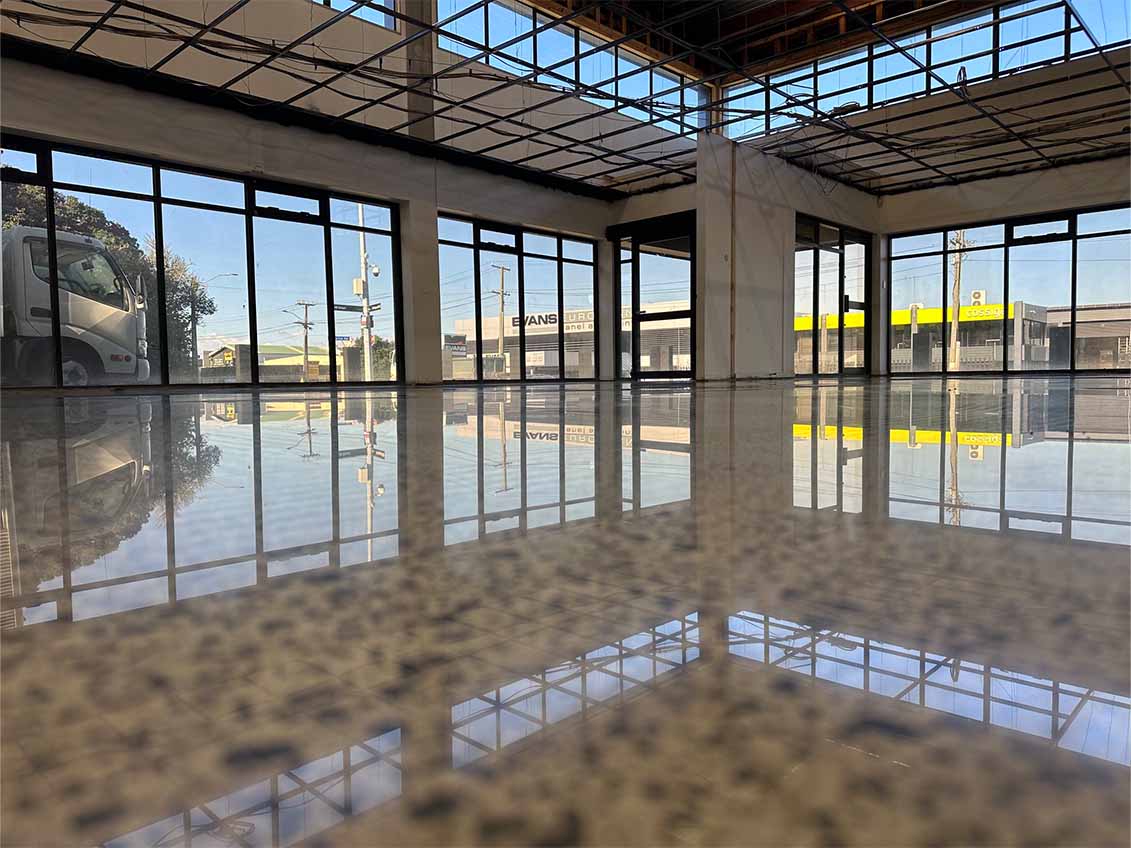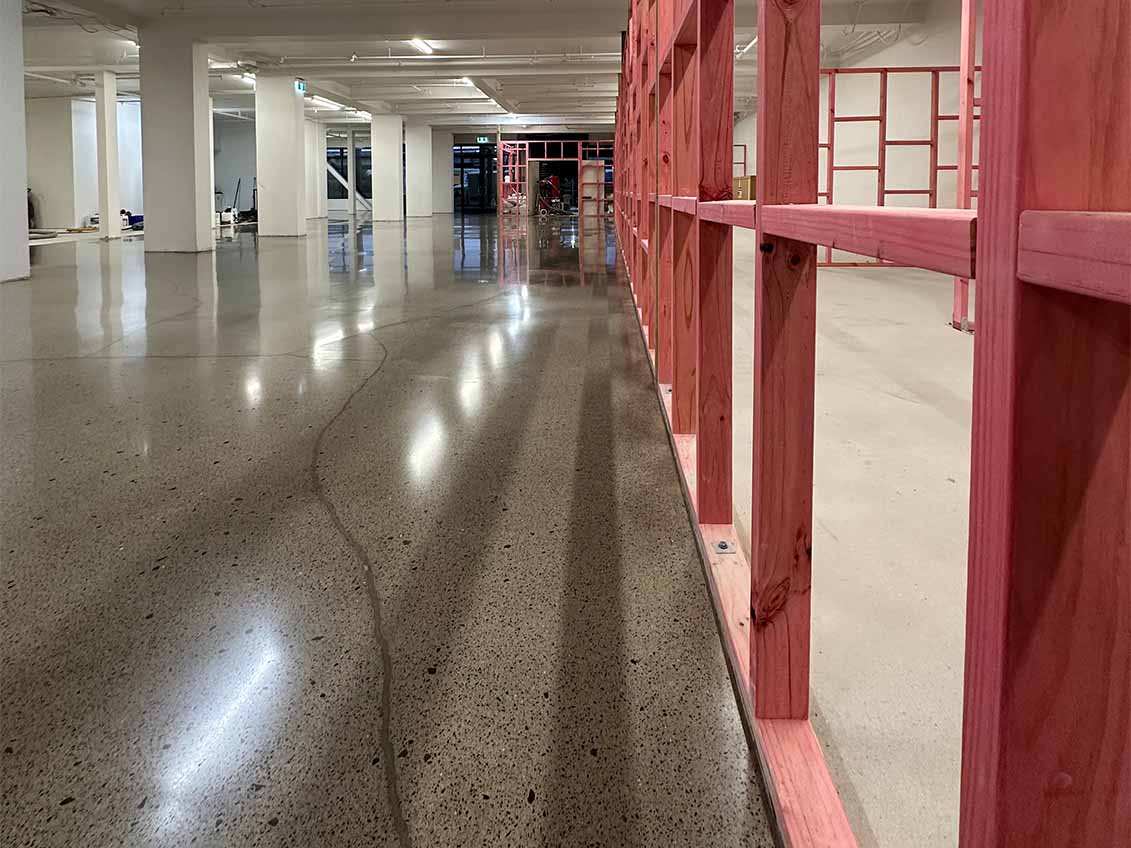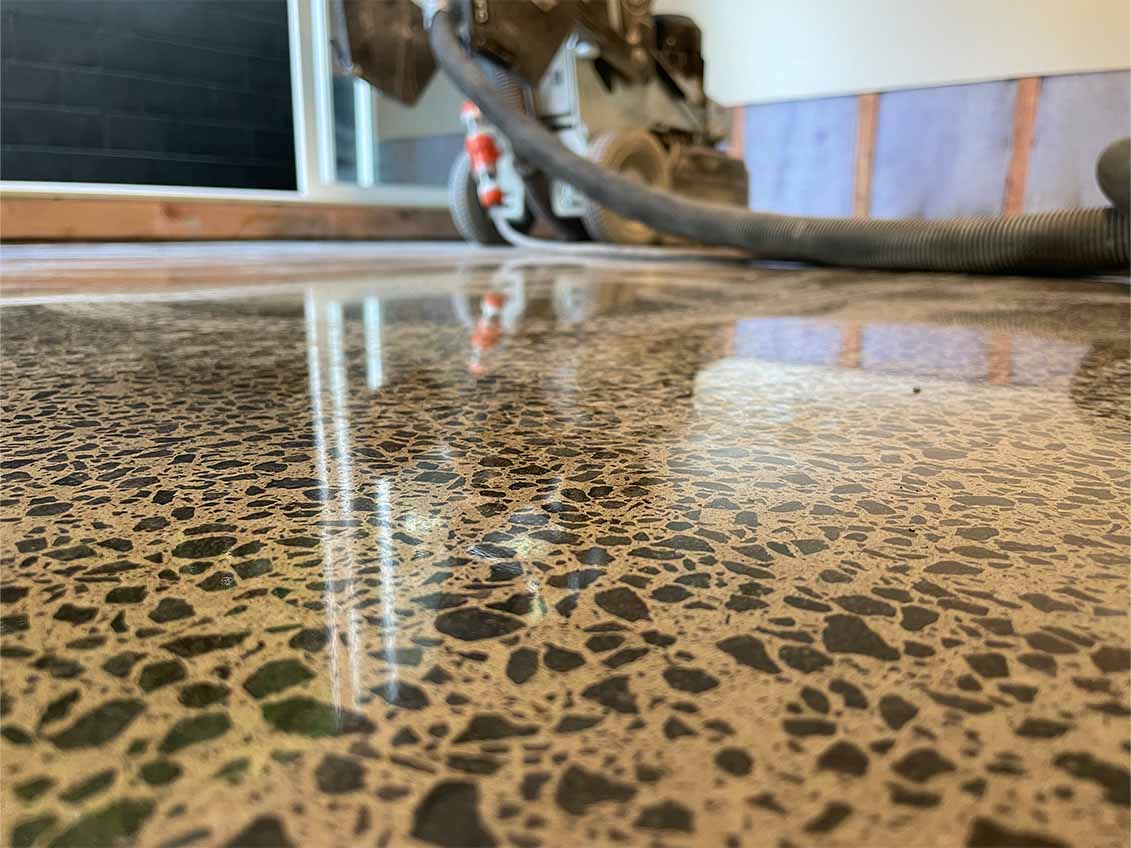


New flooring gets blamed for problems that were already in the slab. Vinyl that lifts at the edges, tiles that crack along a line, timber that telegraphs every bump underneath, adhesive that never really grabbed. In most cases the covering was fine. The floor under it wasn't ready.
Concrete needs two things before anything goes on top of it. It needs to be flat, and it needs to be clean, which means free of anything the new adhesive can't bond to. Grinding does both in one pass. It takes the high spots off, and it takes the surface back to bare, sound concrete with a slight texture that adhesive can grip.
It's the least glamorous part of a floor and the part that decides whether the rest of it works.
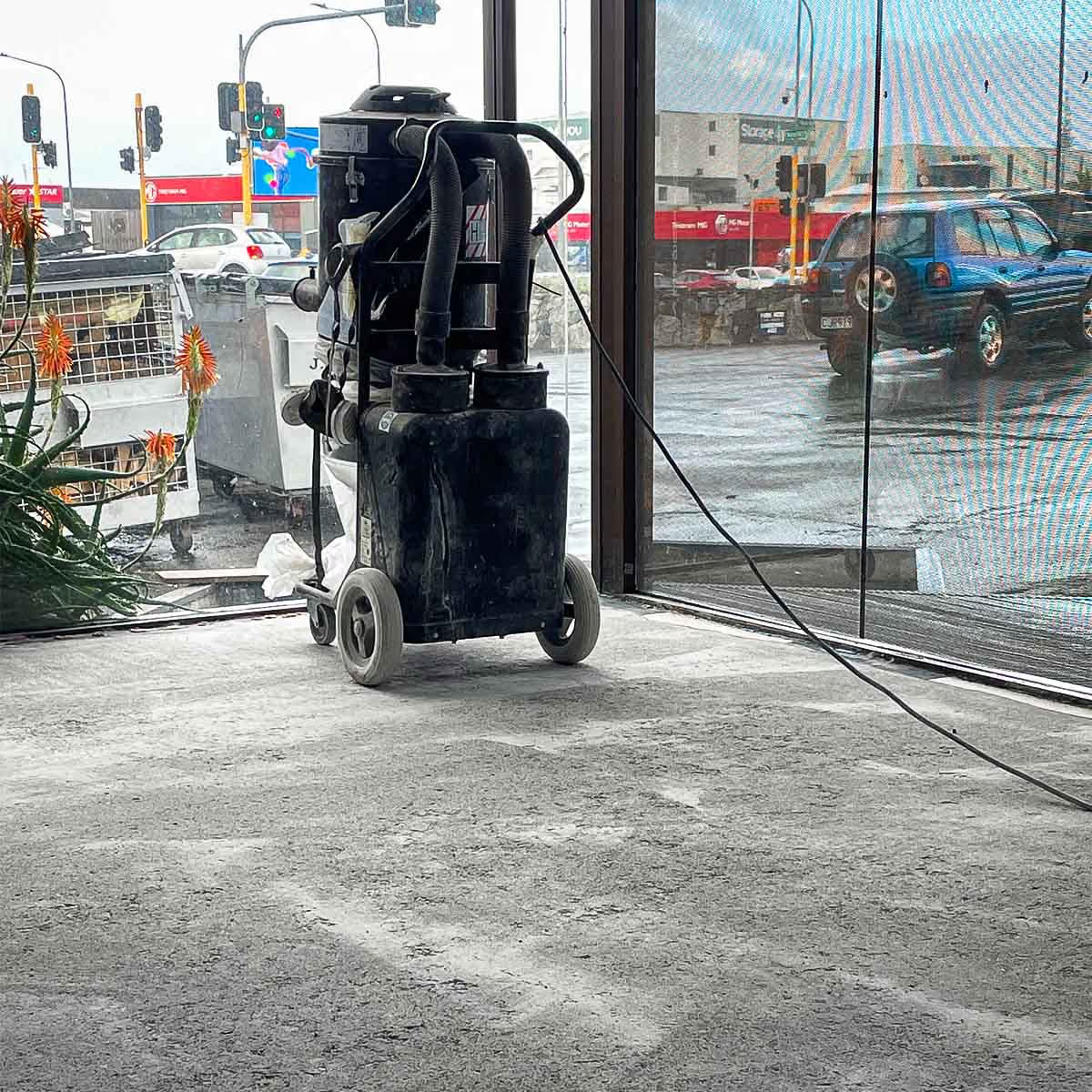
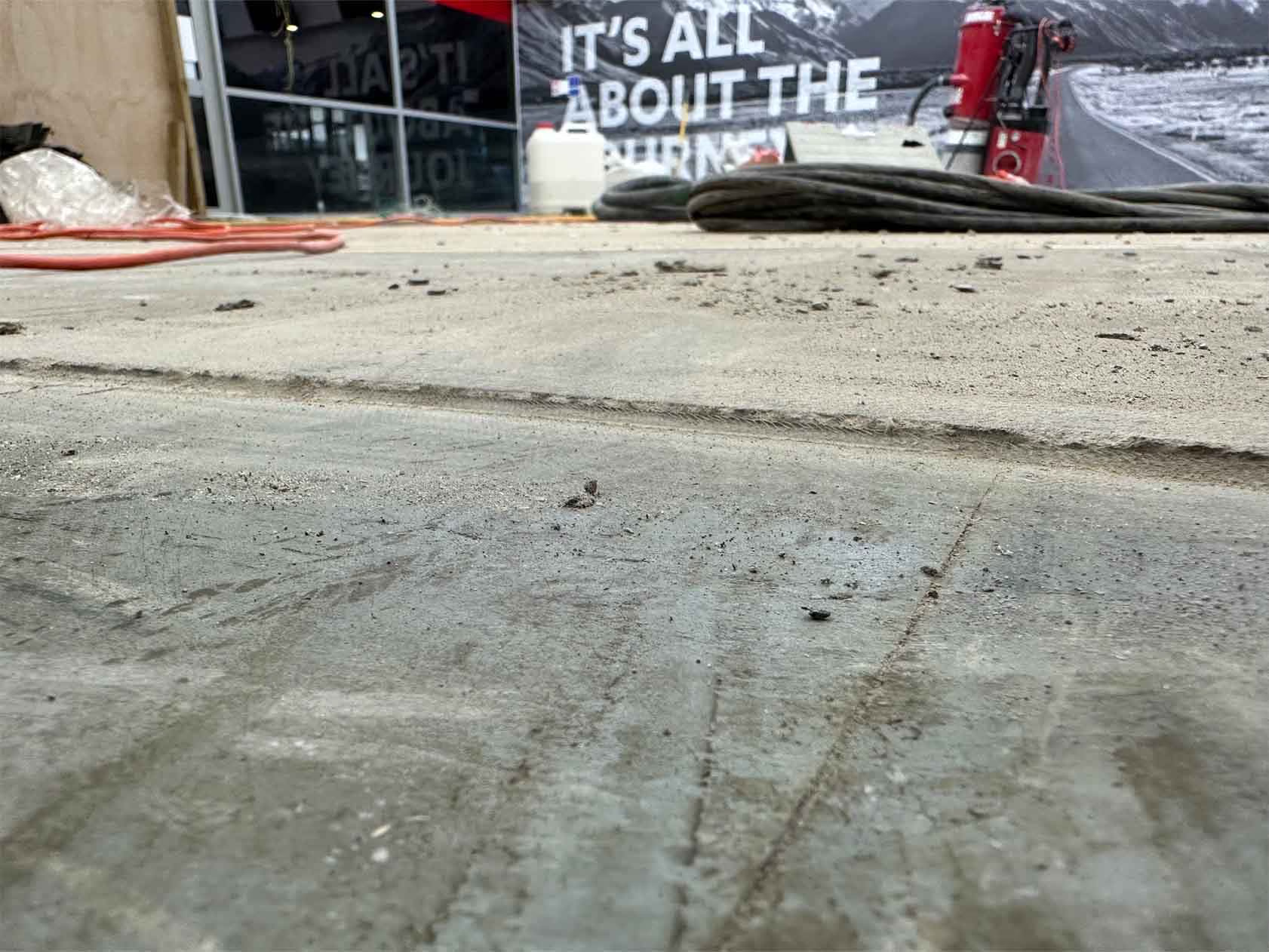
The most common job we do. Old adhesive has to come off completely, because new adhesive won't bond reliably through it.
Garage paint, failed epoxy, sealers and whatever the last owner rolled on.
Left behind after tiles come up, usually in ridges that have to be ground flat.
Old, failed or badly applied compound ground back so a new layer goes down on a sound base.
Removed, with the holes and marks they leave ground back and filled where needed.
The weak, dusty top layer that forms on some slabs. It has to come off or nothing will stick to it properly.
The ridges and humps that show through vinyl and make tiles rock.
If you're not sure what's on your floor, send us a photo or have us come and look. We've seen most of it.
New slabs are rarely as flat as people assume, and the standard fix is to pour levelling compound over the top. That works, but it isn't always the sensible option.
Grinding removes the high points instead of burying them, which usually costs less than pouring compound across a whole floor, adds no height to your slab (which matters at doorways, thresholds and where a floor meets an existing one), and doesn't need drying time before the next trade can work.
Levelling compound still has its place, particularly where a slab has genuine dips and hollows that grinding alone can't fix. Often the right answer is both: grind the high spots off first, then use far less compound to fill what's left. Jay will tell you which your floor needs at the assessment, including when grinding on its own won't get you there.
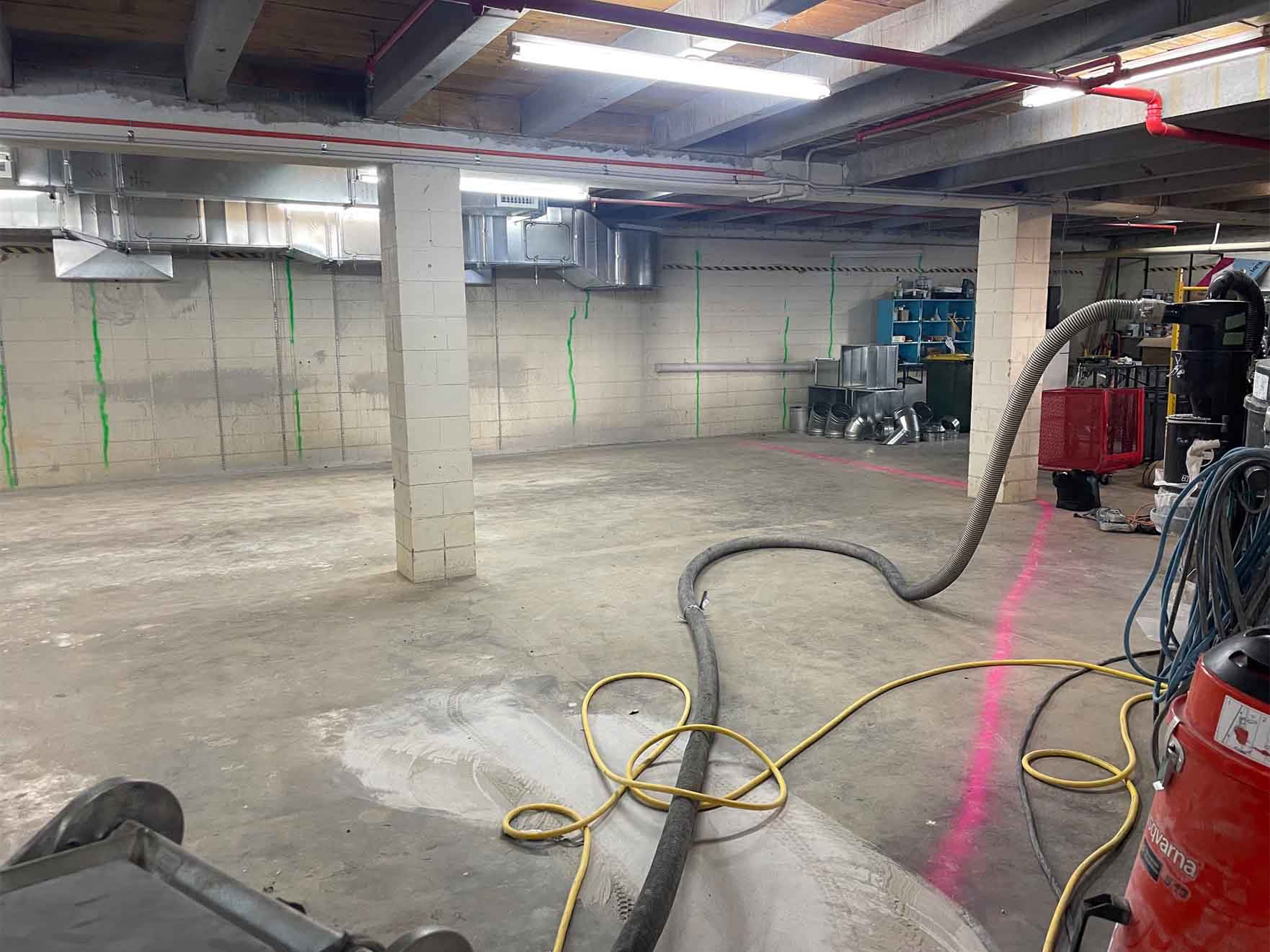
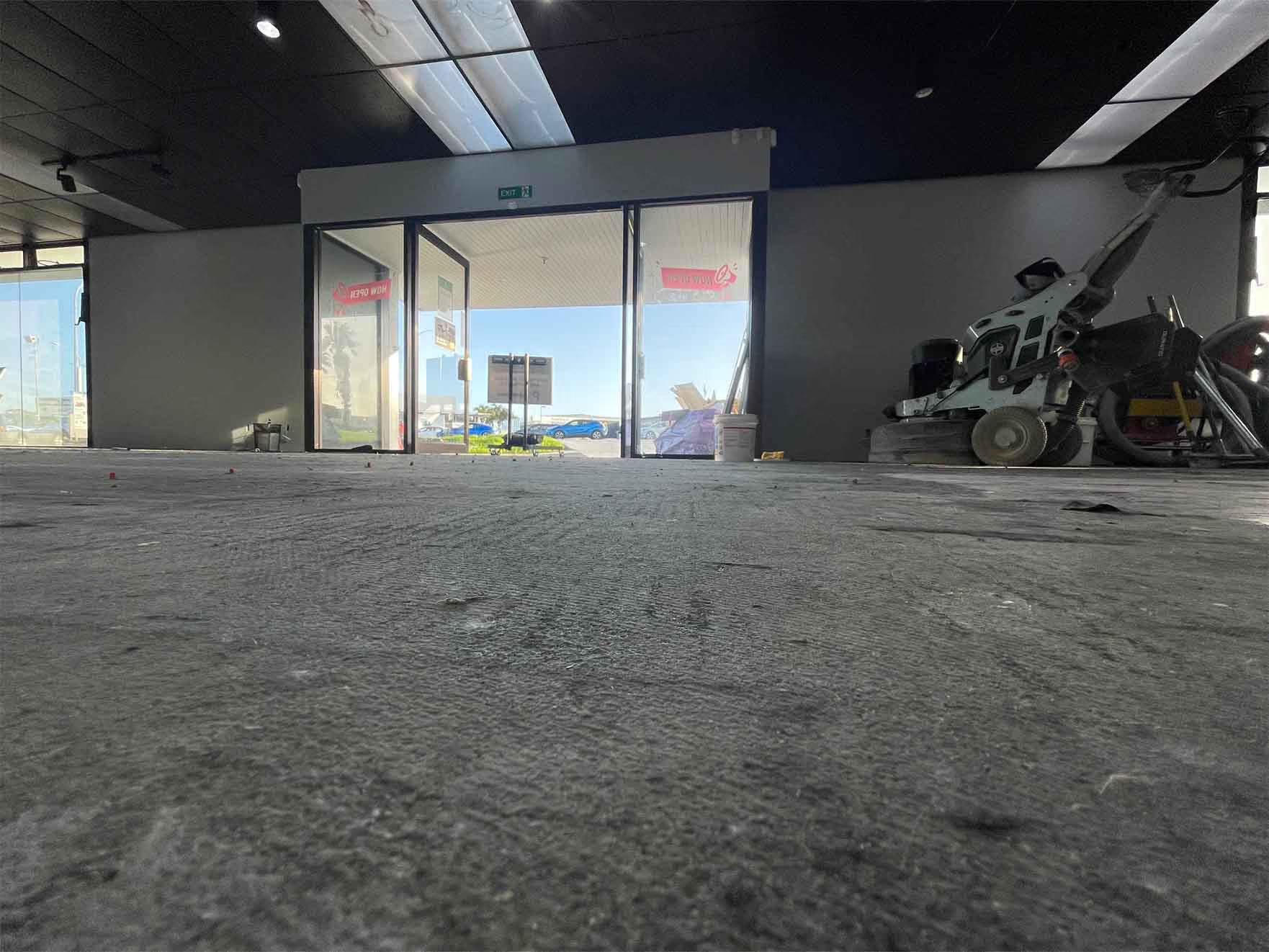
We prepare floors for vinyl and vinyl plank, carpet, tiles, engineered and laminate timber, epoxy and resin coatings, levelling compound, and new sealers or polish.
The finish that's going down changes how we prepare the floor. Adhesive-fixed vinyl needs a different surface texture than a tile bed, and a floor about to be epoxy coated needs a specific profile so the coating keys in. Tell us what's going on top and we'll prepare it correctly for that, not just generally.
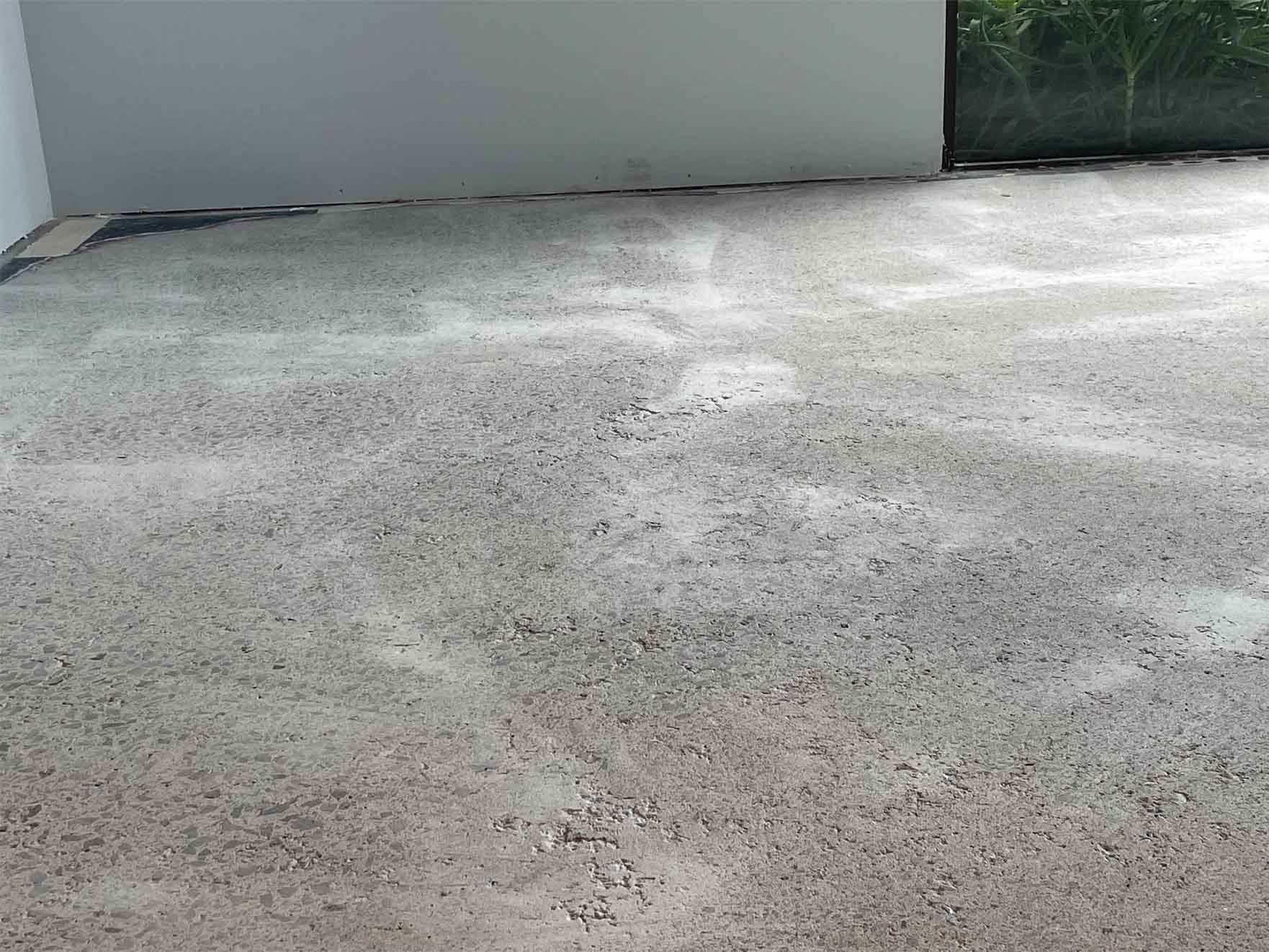
A slab caught by rain before it has cured properly can end up with a soft, weak, sandy surface layer. It looks like concrete, but nothing will bond to it and it will keep breaking up under whatever gets laid on top.
Grinding is the usual fix. We take the damaged layer off and get back to sound concrete underneath. Whether that's enough depends on how deep the damage goes, which we can only really tell on site. If it's beyond saving, we'll tell you that too rather than take the job and hope.
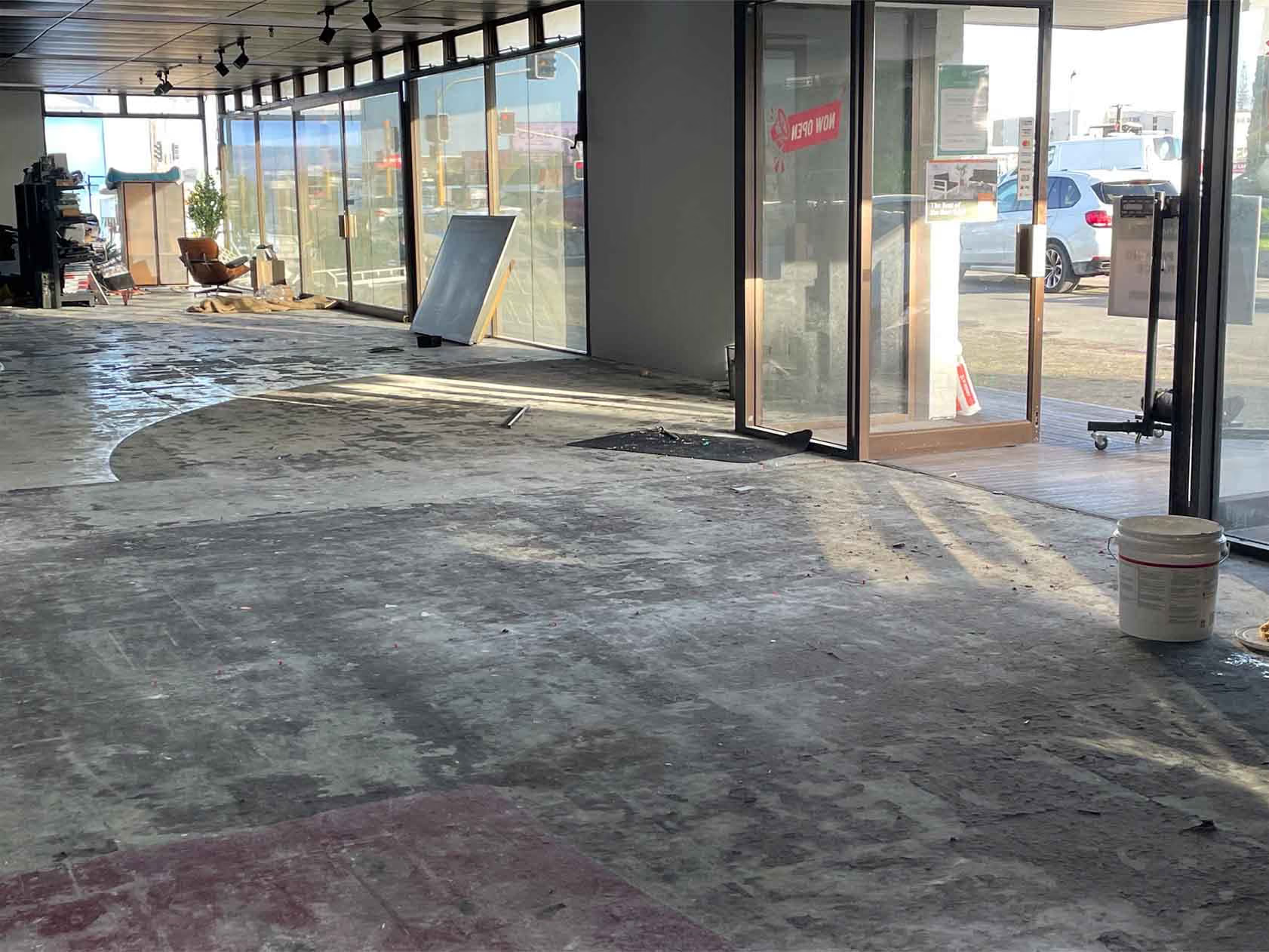
If you're running a build or a fitout, floor prep is a scheduling problem as much as a trade one. We're used to it. We'll work to your programme, get in and out in the window you've got, and keep the site clean enough for other trades to keep working around us.
Dust extraction runs on every grind, so we're not shutting down the rest of the site to do our part. And if the slab throws up a surprise once we're into it, you'll hear about it from us straight away, with options, not a stopped job and a phone call at four o'clock.
Regular work, repeat sites and larger programmes can be quoted as a rate rather than job by job. Give us a call.
Five steps, and most floors are through all of them in a day or two. Here's how a prep job actually runs.

The old floor has to come off and the new one has to go down between trading days. We schedule around your hours, run dust extraction the whole time, and get out on the day we said we would.
Slabs flattened before the flooring trade arrives, and old surfaces stripped during a fitout. We work to your programme, keep the site clean enough for other trades to carry on, and flag anything the slab throws up straight away.
Old carpet or tiles coming up and something new going down. We strip the glue, mortar and tack strips, grind the high spots off, and leave a flat, clean slab. Rentals and flips on a turnaround deadline are a regular part of the work.
It depends on the size of the area, what's on the floor now and how flat it needs to end up. Glue removal across a big open area is straightforward. A small room full of tack strips and old tile mortar takes longer per square metre. The free assessment gets you a fixed price.
Most home-sized floors are done in a day or two. Larger commercial areas depend on what's coming off and how much of it there is. We'll give you a timeframe with the quote and stick to it.
No. Dust extraction runs on every grind and we seal off the work area from the rest of the building. This is the most common question we get and it's the part of our setup we're most confident about.
Effectively, yes. We grind back to sound concrete, which is what your new adhesive needs. Old glue can leave shadowing or staining in the concrete itself, which doesn't affect how the new floor bonds. If your new covering is going to be sensitive to what the slab looks like, tell us and we'll talk it through.
Sometimes, and often less than you'd think once the high spots are ground off. Jay will tell you at the assessment whether grinding on its own gets your floor flat enough for what's going down.
Yes. Shops, cafés and offices are a big part of this work and we schedule around trading hours where the job allows, including evenings and staged work by arrangement.
No obligation and no call centre. Jay will look at your slab, tell you what needs to come off, and in Auckland you'll have a fixed price within 24 hours, so your programme isn't left waiting.