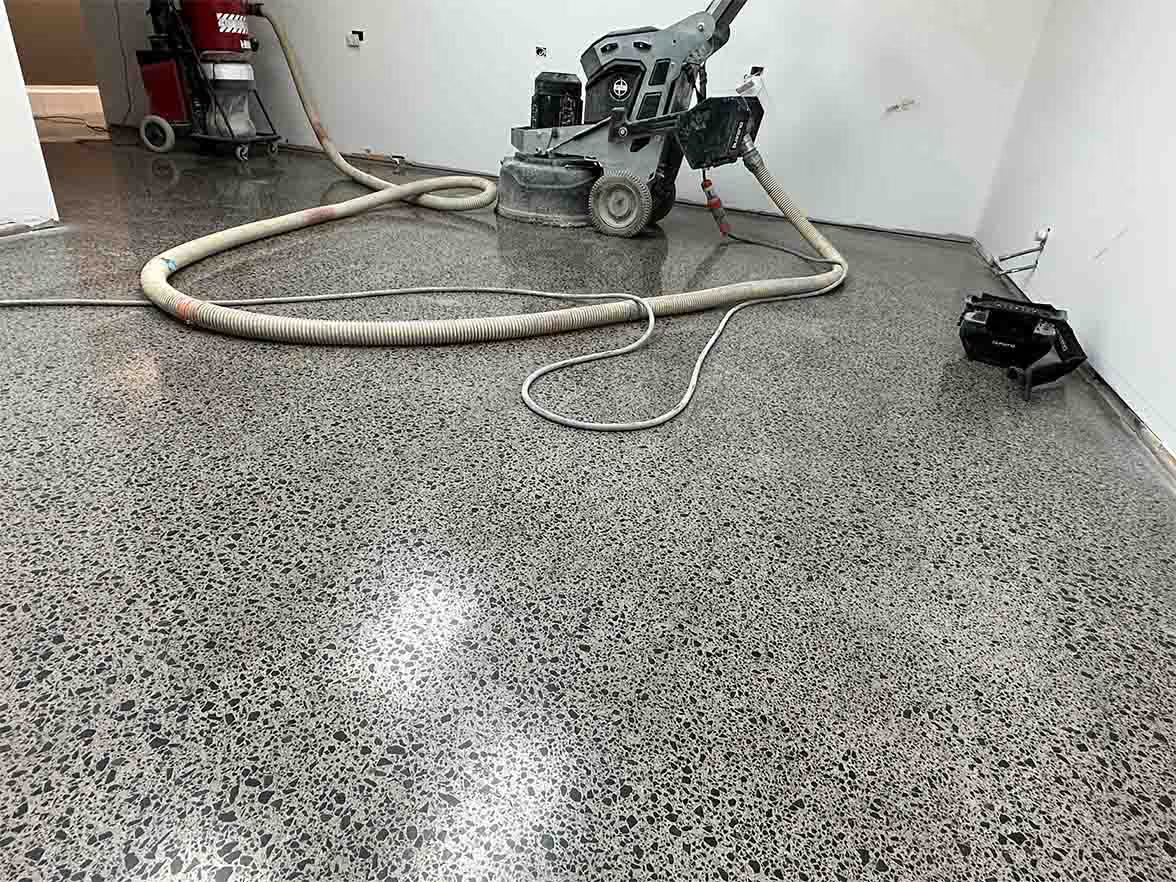
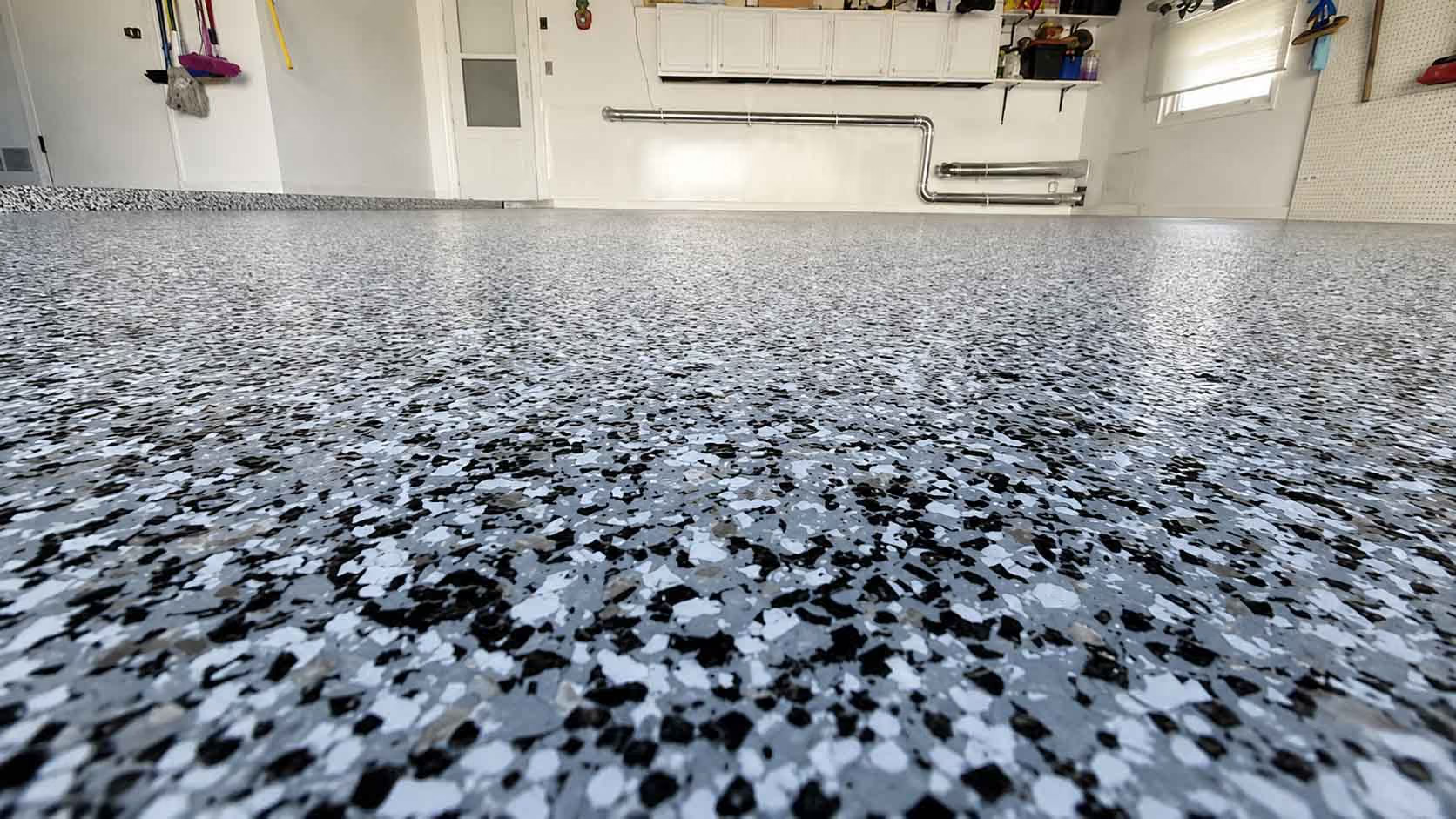
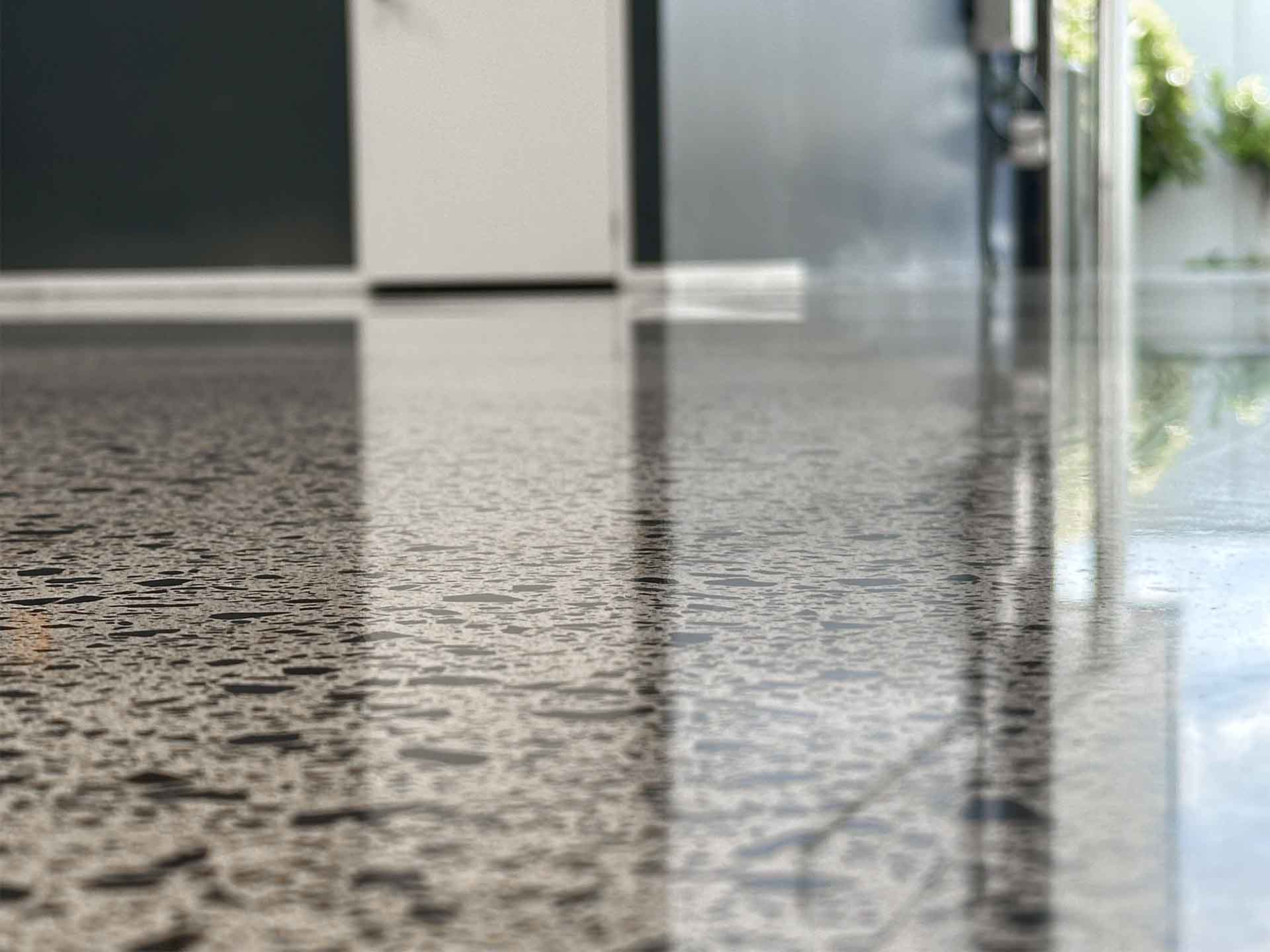
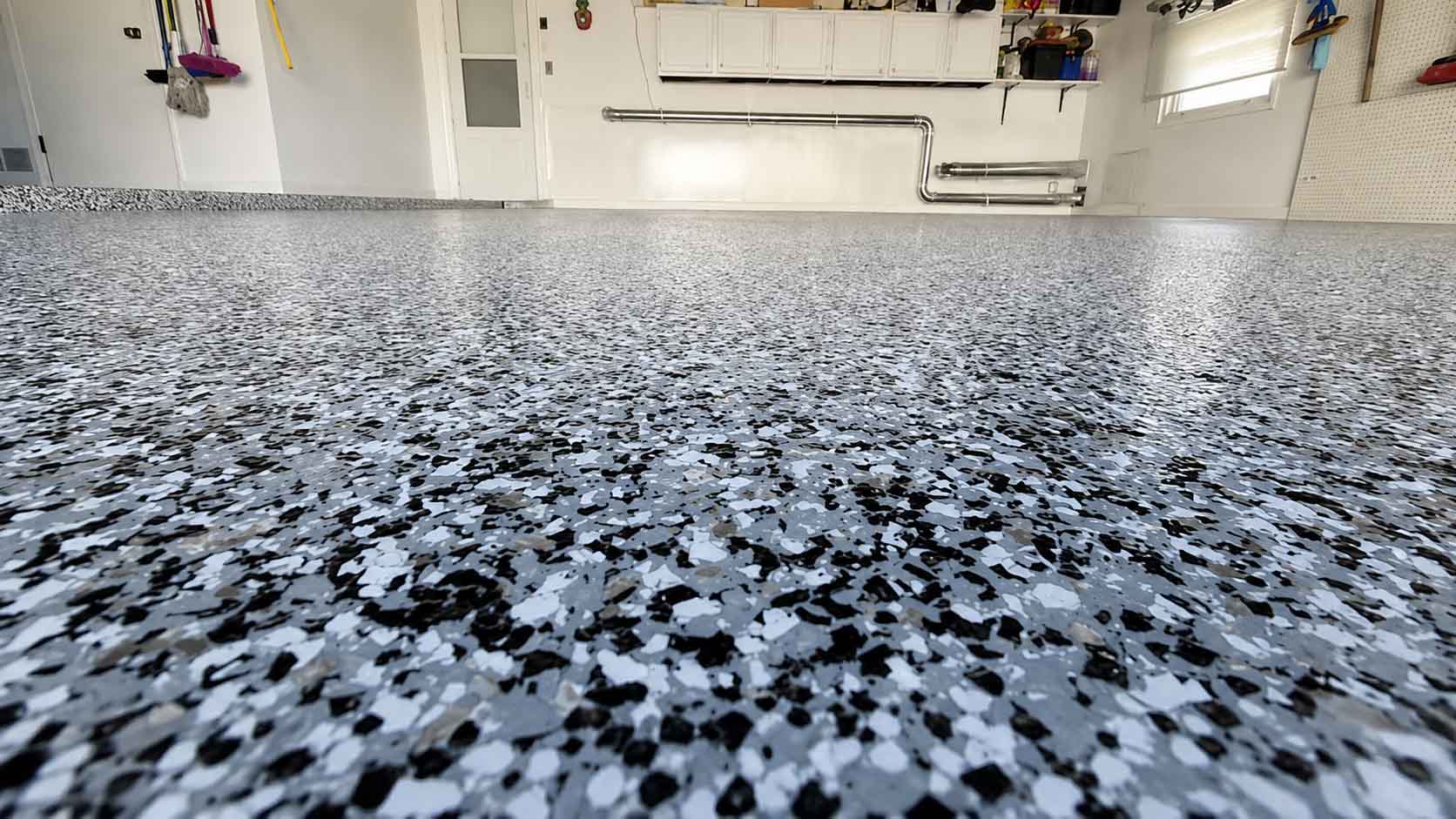
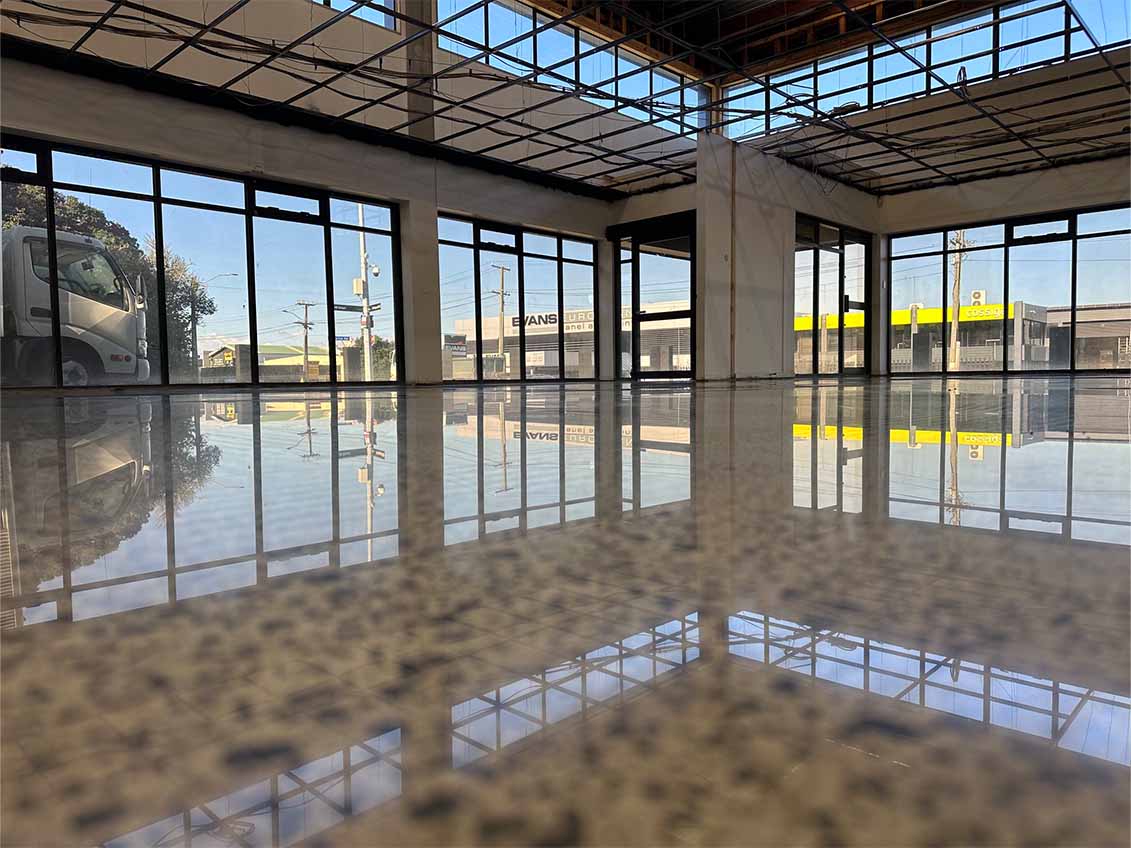
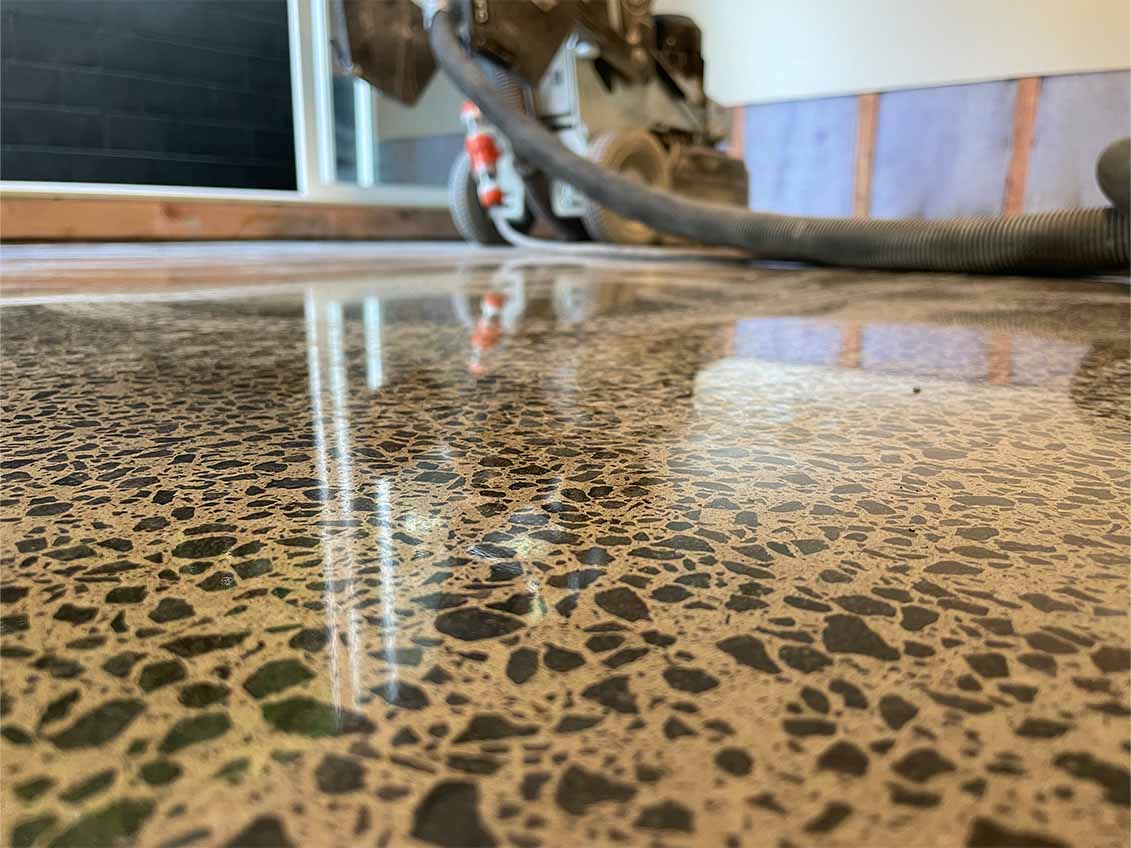
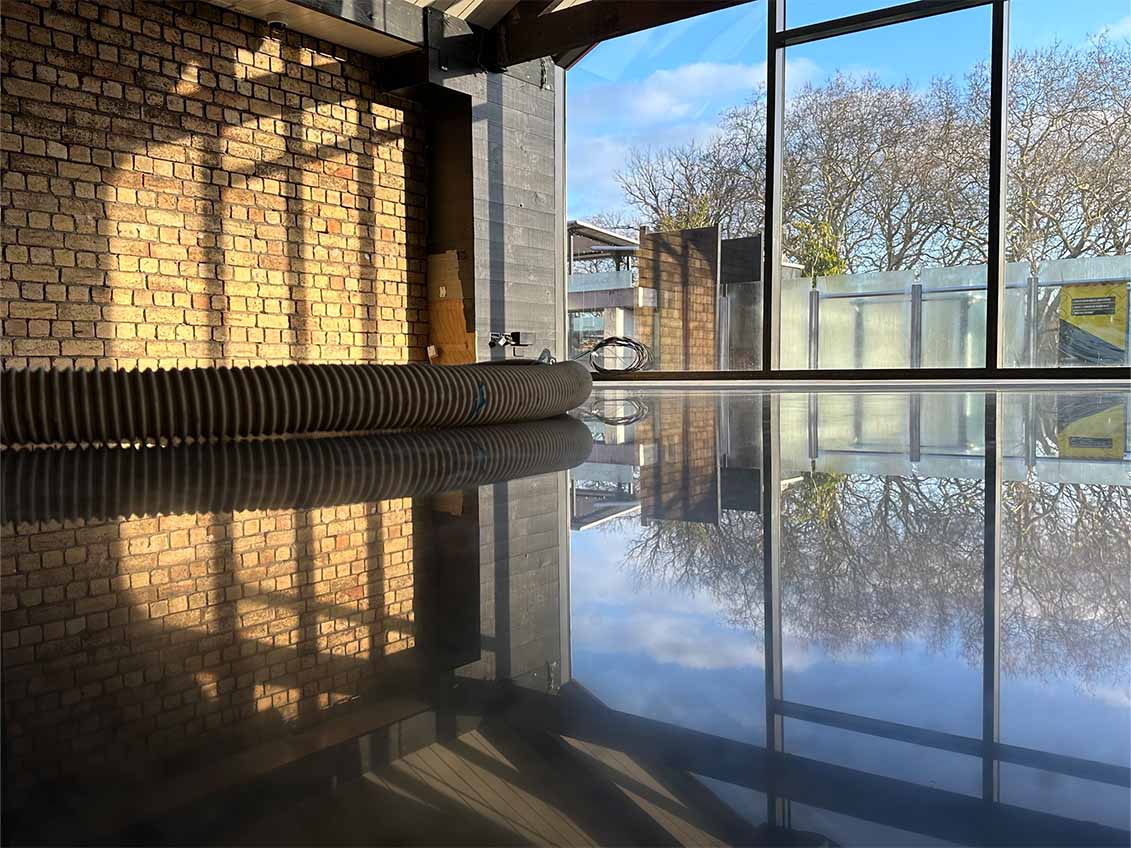
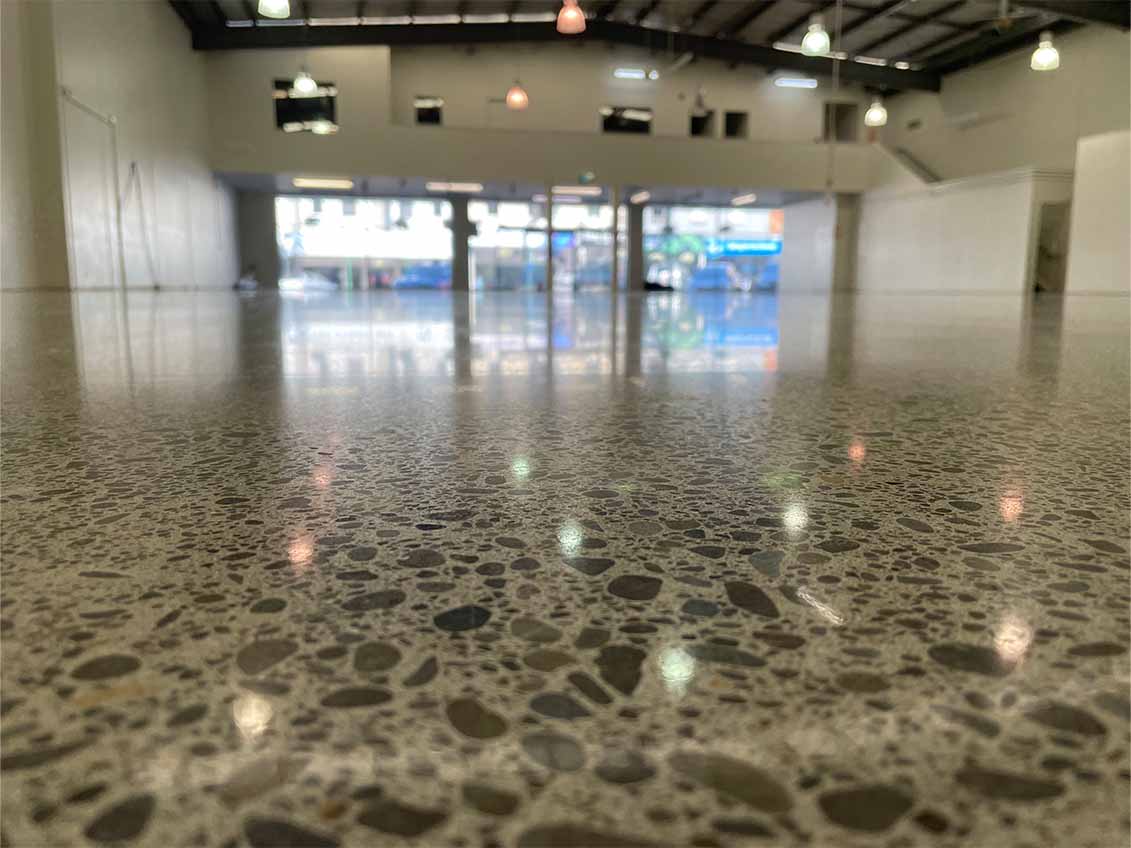
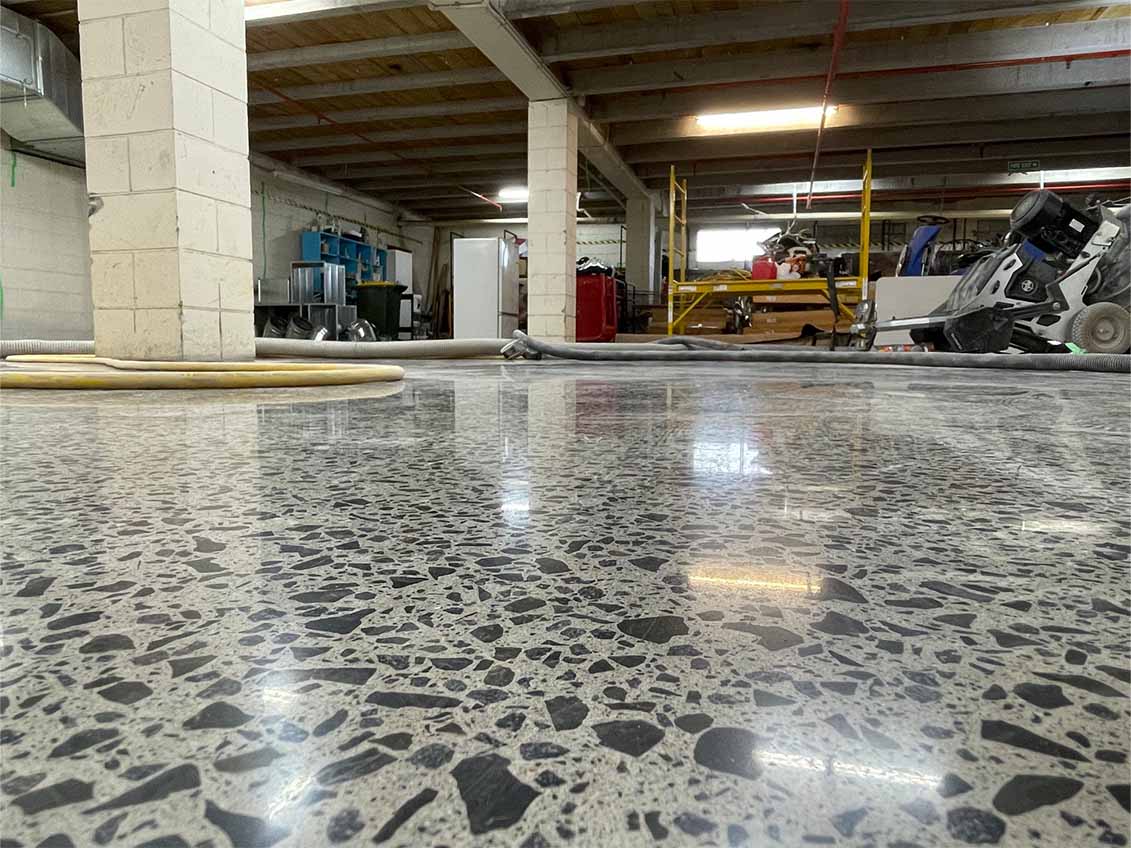
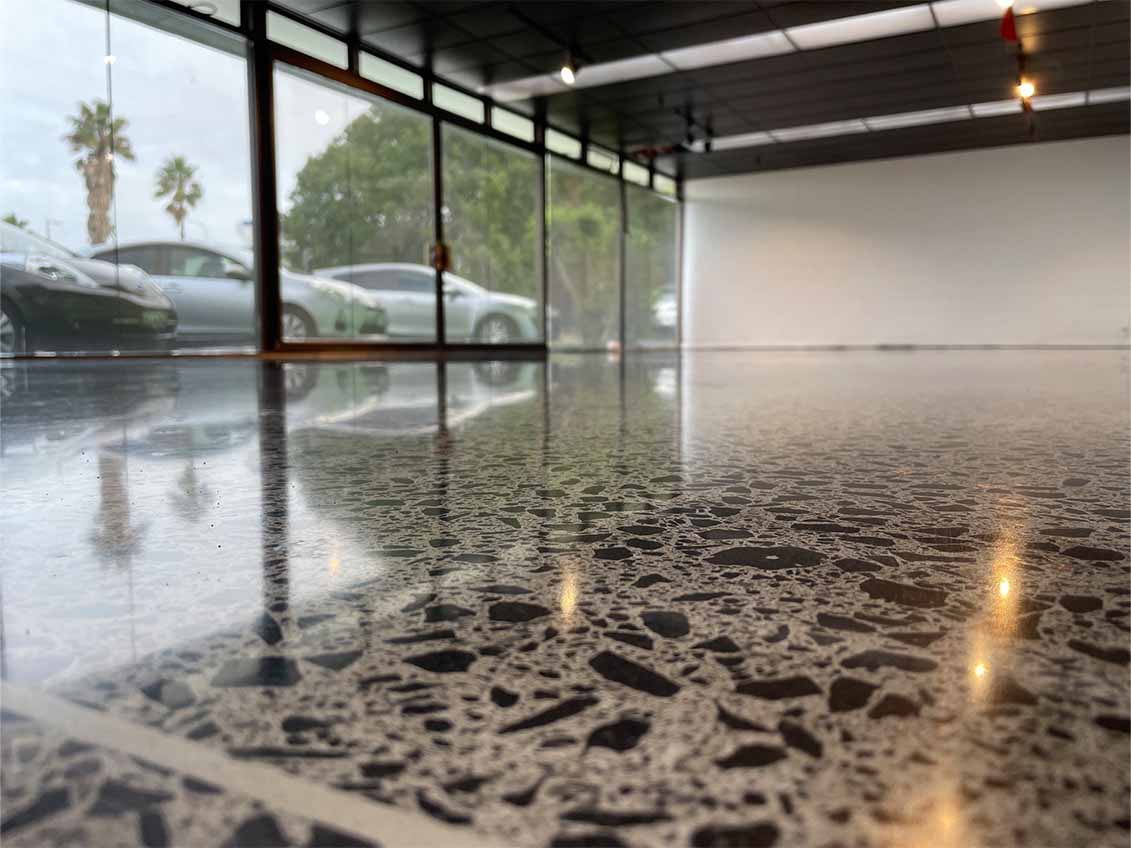
From homes in New Plymouth to heavy industrial floors across the region, we grind, polish, seal and coat concrete throughout Taranaki. Free on-site quotes and a workmanship guarantee on every job.
A track record built on experience, preparation and results.


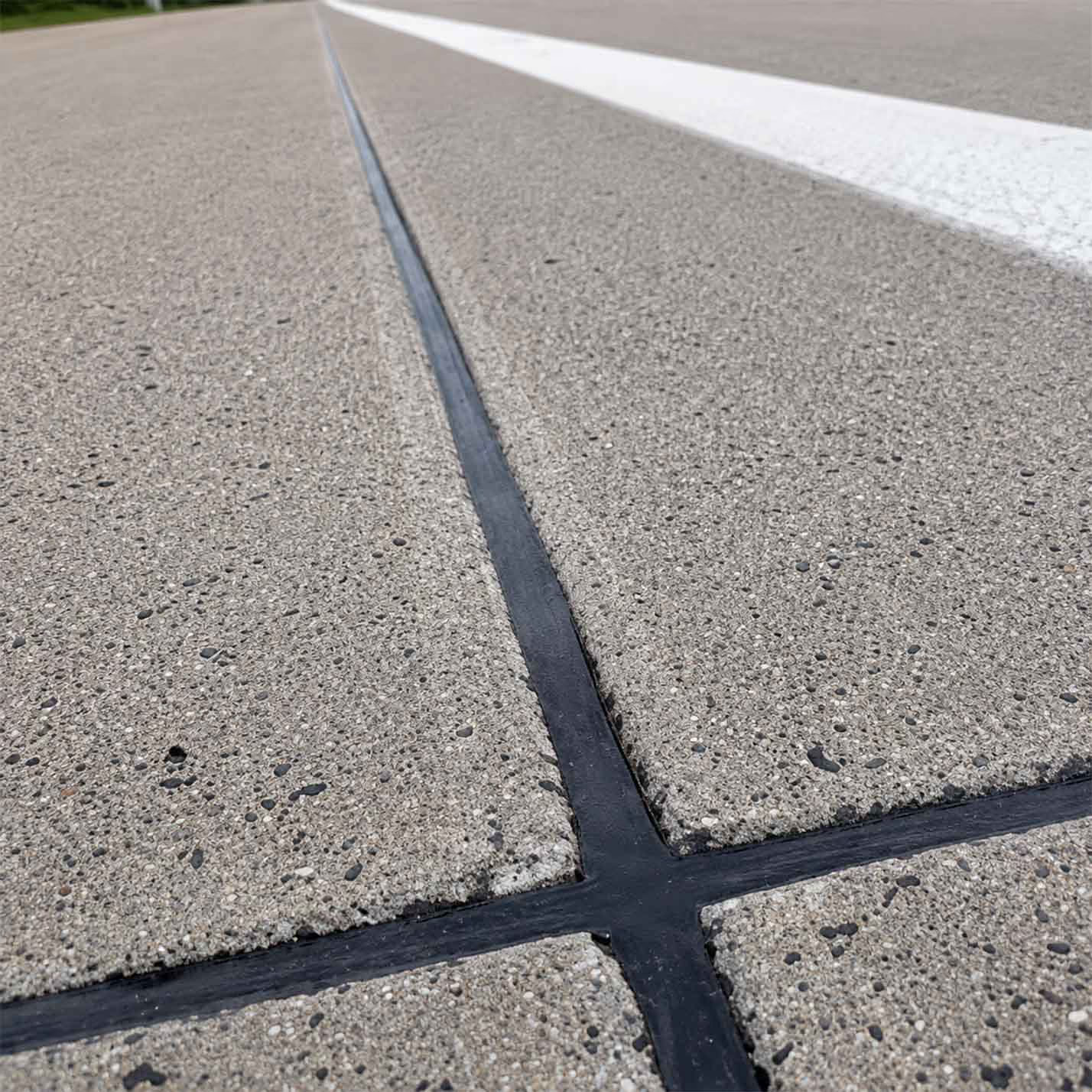
Taranaki is the most industrial region we work in regularly, and that shapes the jobs. Engineering workshops, processing plants, energy sector facilities, dairy operations and distribution floors all sit on concrete that works harder than anything in a house ever will. Vehicles, plant, dropped gear, chemical spills and wash-down regimes find every weak point in a floor, and the joints usually go first.
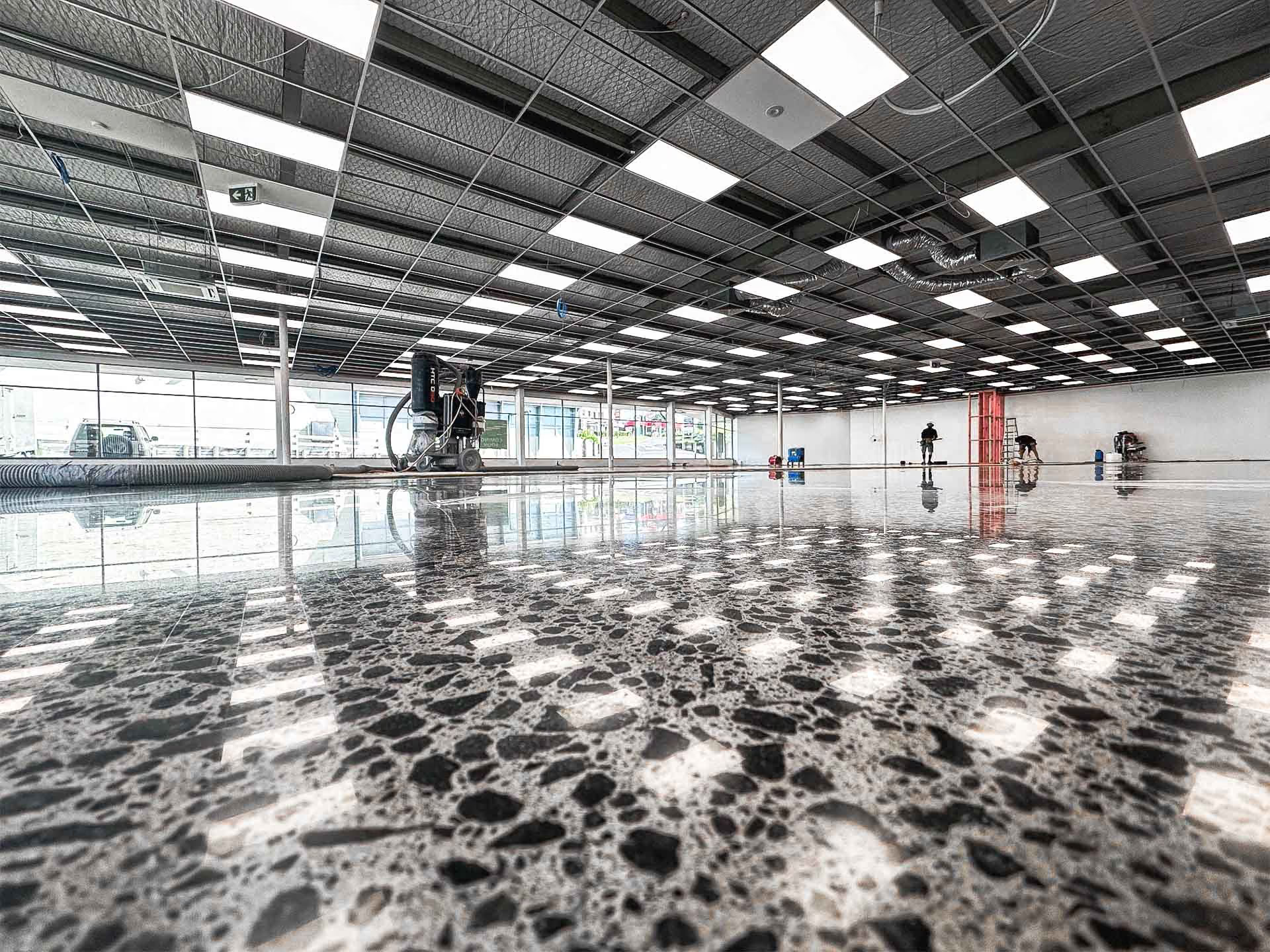
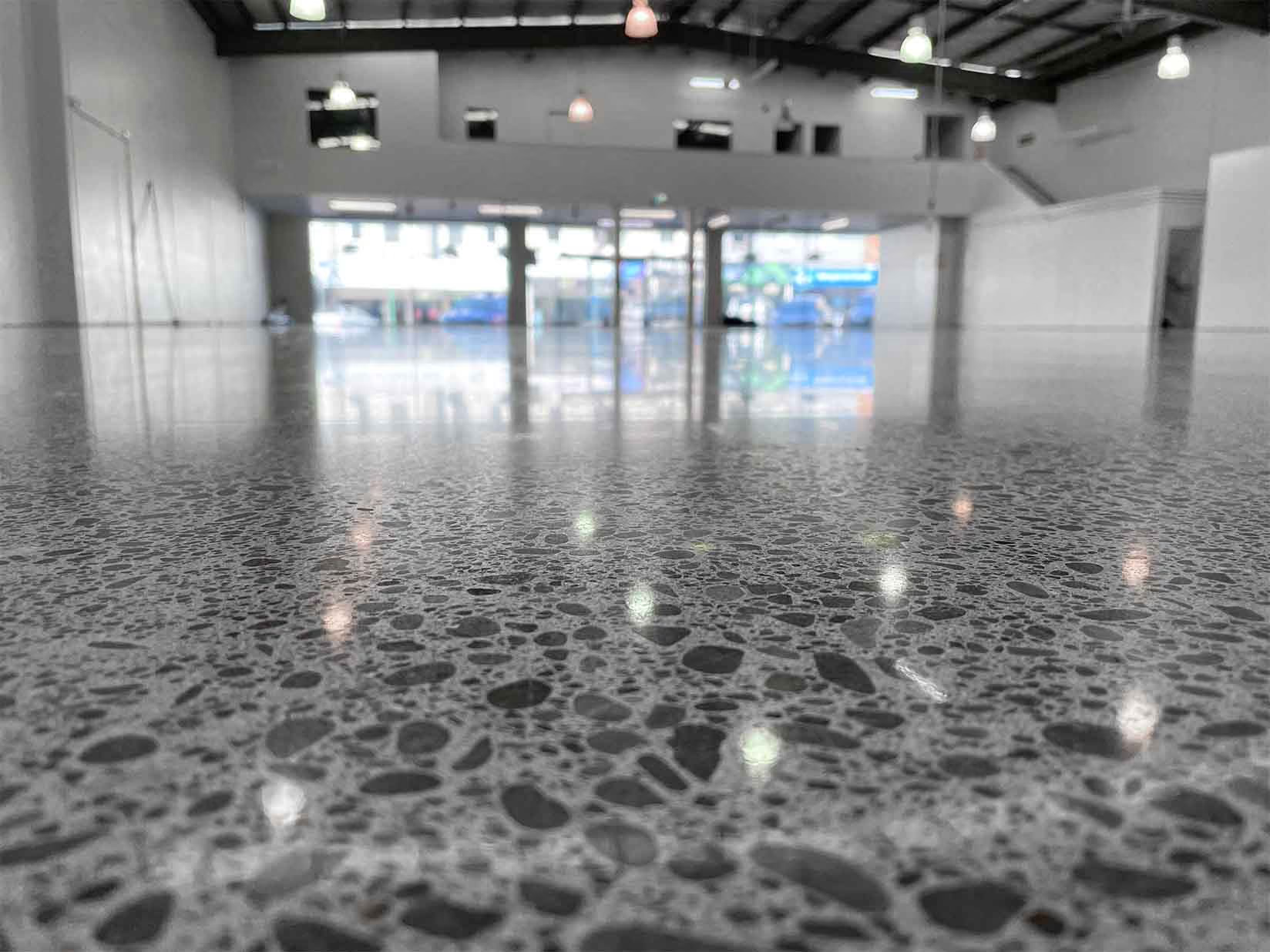
Those floors need a finish specified for what the space actually deals with rather than what looks good in a brochure. Sometimes that's polished concrete, because there's no coating to lift under wheel loads. Sometimes it's an epoxy system chosen for chemical resistance and easy cleaning. We'll tell you which suits your operation rather than selling you one because it's what we happen to prefer.
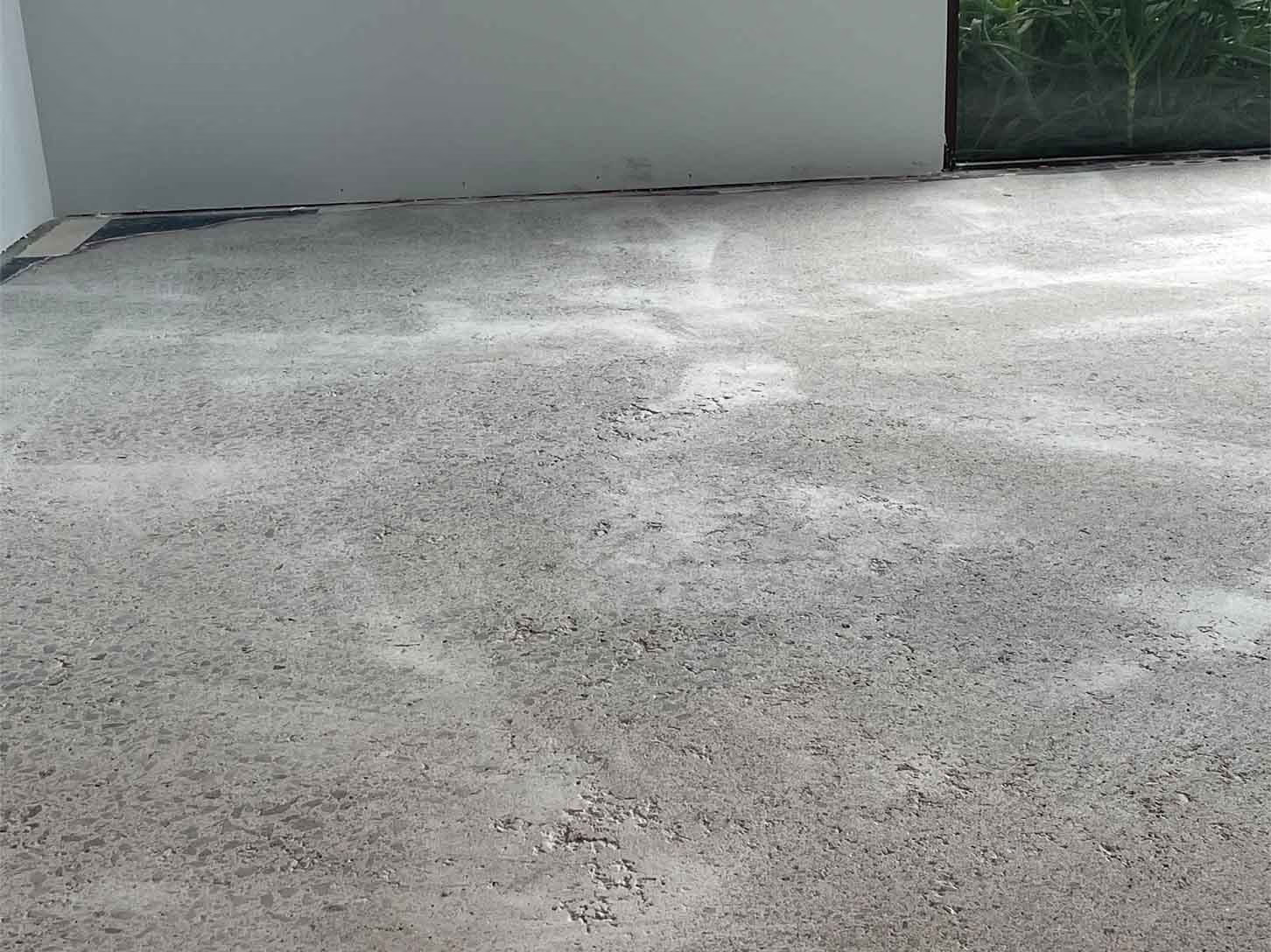
The residential side runs alongside it. New Plymouth, Bell Block and the surrounding towns have plenty of homes being built and renovated, and the same equipment that handles a workshop floor does a very good job on a living area. Older Taranaki slabs often come up well once the carpet is gone.
Because we're travelling to get here, Taranaki work gets scheduled in blocks. Give us reasonable notice and we can usually line your job up alongside others in the region, which keeps travel a small part of the overall cost. On larger commercial floors it's a negligible part.
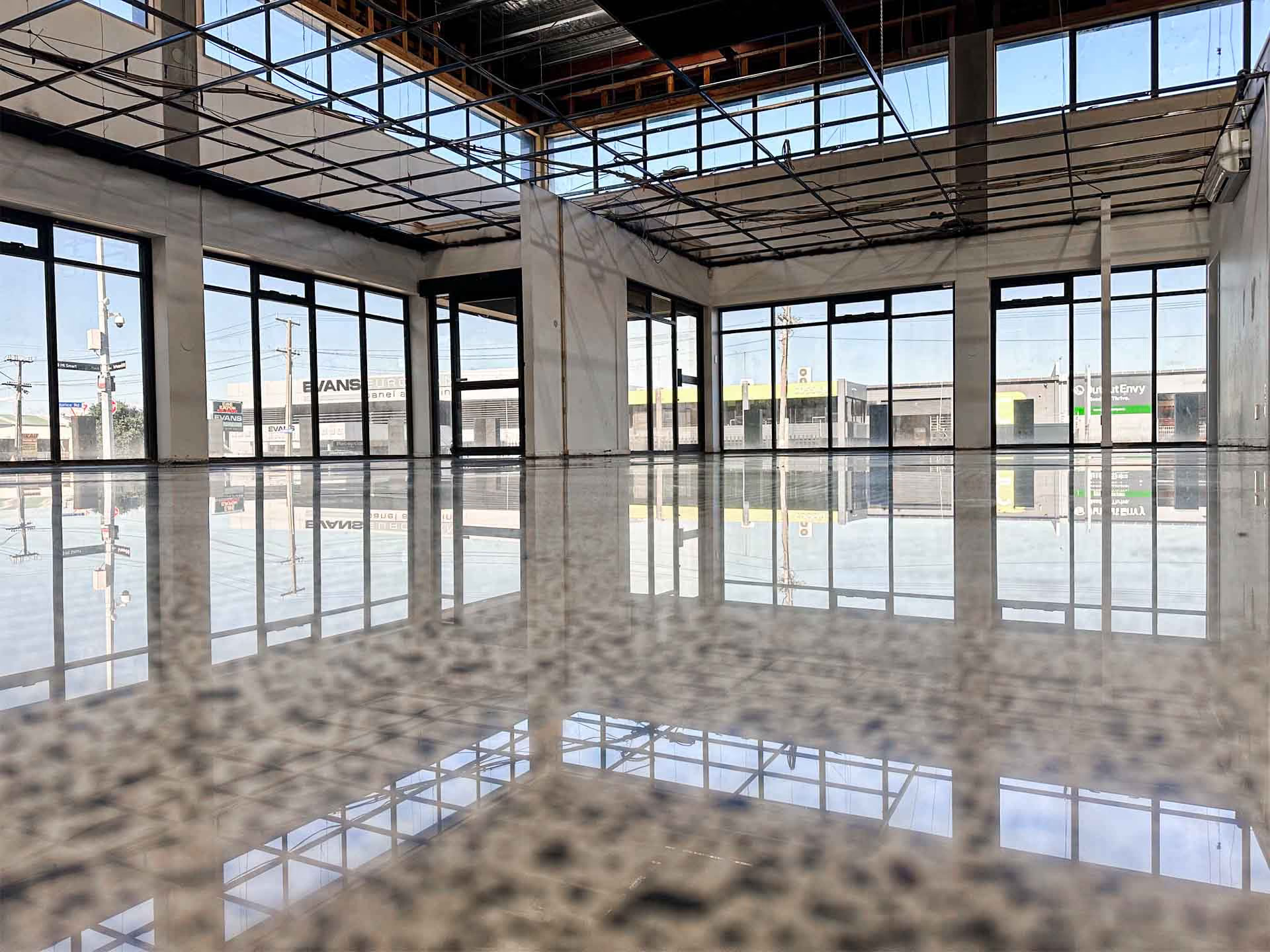
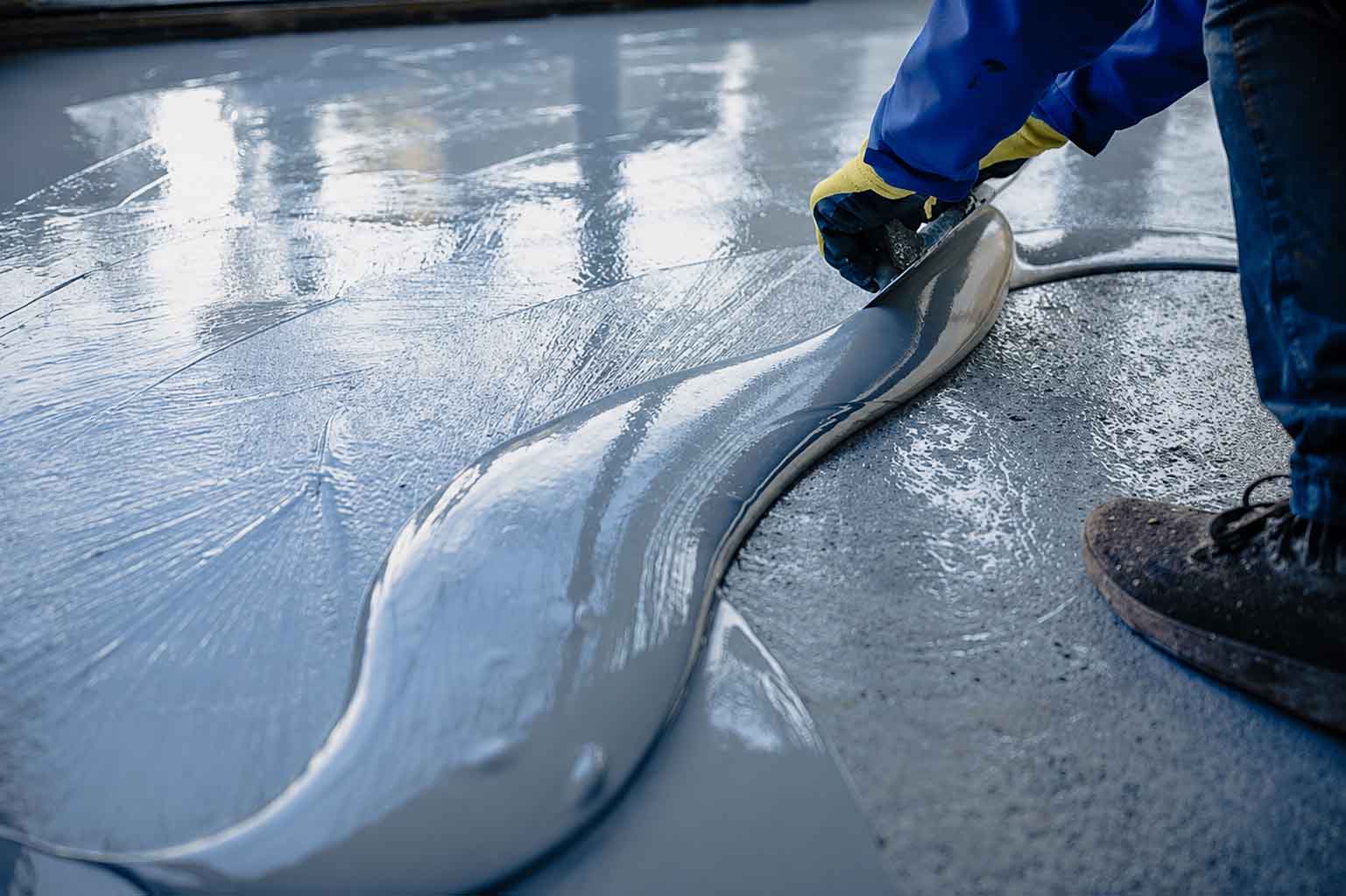
Epoxy is a resin coating that bonds into your concrete and cures into a hard, seamless surface. Done properly it handles forklifts, plant traffic, oil, chemicals and constant wash-down, and it cleans up with a mop rather than a scrubber.
The word that matters there is properly. Epoxy fails for one reason more than any other, and it isn't the product. It's preparation. If the concrete underneath is dusty, sealed, oily or too smooth, the coating has nothing to grip and it lifts, usually in sheets, usually within a couple of years.
We grind every floor before we coat it. Diamond grinding opens the concrete up so the resin can key into it, and takes off whatever was there before. It's the step that costs the most time and the step that decides whether your floor lasts two years or twenty.
Non-slip additives can go into the top coat where the floor gets wet, and line marking for walkways, bays and hazard zones goes into the floor rather than onto it. Tell us what your operation deals with and we'll specify accordingly.

From polished concrete and grind and seal through to epoxy, repairs and non-slip texturing. Eleven services, so the advice you get isn't shaped by the one thing we happen to sell.
No obligation and no call centre. Tell us about your floor and we'll give you a straight answer and a fixed price.